

With icy sidewalks and snow-covered parking lots, property managers must prioritize snow shoveling safety to avoid costly lawsuits, insurance claims, and potential harm to employees and customers. Shoveling snow safety is critical to keep your business operational and your property safe during the cold months. The severe winter conditions in Minnesota make it even more vital to use proper techniques and take proactive steps to prevent strain, slips, and heart attacks. This blog shares eight essential snow-shoveling safety tips for commercial spaces, helping property managers, facility directors, and maintenance teams manage winter risks with confidence and professionalism.
Tip 1. Warm Up Before You Start Shoveling Snow
Shoveling snow is intense physical activity—comparable to moderate exercise—and requires significant exertion. Just like any physically demanding task, preparing your body beforehand reduces the risk of muscle strain, knee injuries, and cardiovascular stress. Warming up helps improve flexibility, increase blood flow, and prepares your body for the physical load of snow shoveling, minimizing the chances of injuring yourself or overexerting your heart. Here's a list of what you can do before shoveling snow:- Perform 5–7 minutes of dynamic stretches to warm up arms, legs, back, and knees—especially before bending or lifting snow.
- Focus on warming up the shoulders and lower back, as these areas are more susceptible to strain during snow removal.
- Encourage your team to stretch together, reinforcing the importance of taking breaks and avoiding inactive periods during long snow removal sessions.
Tip 2. Use Proper Lifting Techniques and Equipment
Choosing the right tools and using the correct technique are key to reducing the risk of back injuries and overexertion during snow removal. Proper ergonomics play a significant role in ensuring both safety and efficiency. By using the right equipment and maintaining proper form, you protect your body from unnecessary strain, making snow shoveling safer and less taxing.- Use ergonomically designed snow shovels to reduce bending strain and maintain a more natural posture while lifting snow.
- Whenever possible, push snow rather than lifting it to reduce the load on your back.
- Keep your back straight while lifting, using your legs to do the work, and avoid twisting your torso to prevent strain and discomfort.
Tip 3. Dress Appropriately for Safety and Mobility
Dressing properly for snow removal is essential not only for warmth but also for ensuring mobility and safety. Cold weather gear should protect against hypothermia and frostbite while allowing for safe movement—especially on slippery commercial surfaces. Wearing the right clothing helps you stay comfortable, prevents accidents, and supports your body as you work to remove snow efficiently, even during harsh winter storms.- Wear layered, moisture-wicking clothing to stay warm and dry, while avoiding overheating and allowing your body to adjust to the winter weather.
- Choose slip-resistant winter boots with solid tread to prevent slipping on icy surfaces and ensure a secure grip while removing snow or using a snow blower.
- Wear gloves that provide warmth and a firm grip on snow removal tools, helping you maintain control over your snow blower or shovel.
Tip 4. Monitor Weather and Work in Small Increments
Timing plays a critical role in snow removal safety and efficiency. Waiting too long to clear snow can result in heavier, compacted snow that increases strain on your body and increases the risk of slips. By monitoring the weather and working in smaller increments, you can prevent excessive buildup and make snow removal easier and safer. Here's how you can manage your time for snow removal safety:- Clear snow in layers when multiple inches accumulate rather than all at once.
- Avoid waiting for snow to compact or freeze; lighter, fresh snow is easier to remove.
- Schedule shoveling in shorter phases throughout the storm.
Tip 5. Prevent Slips, Trips, and Falls
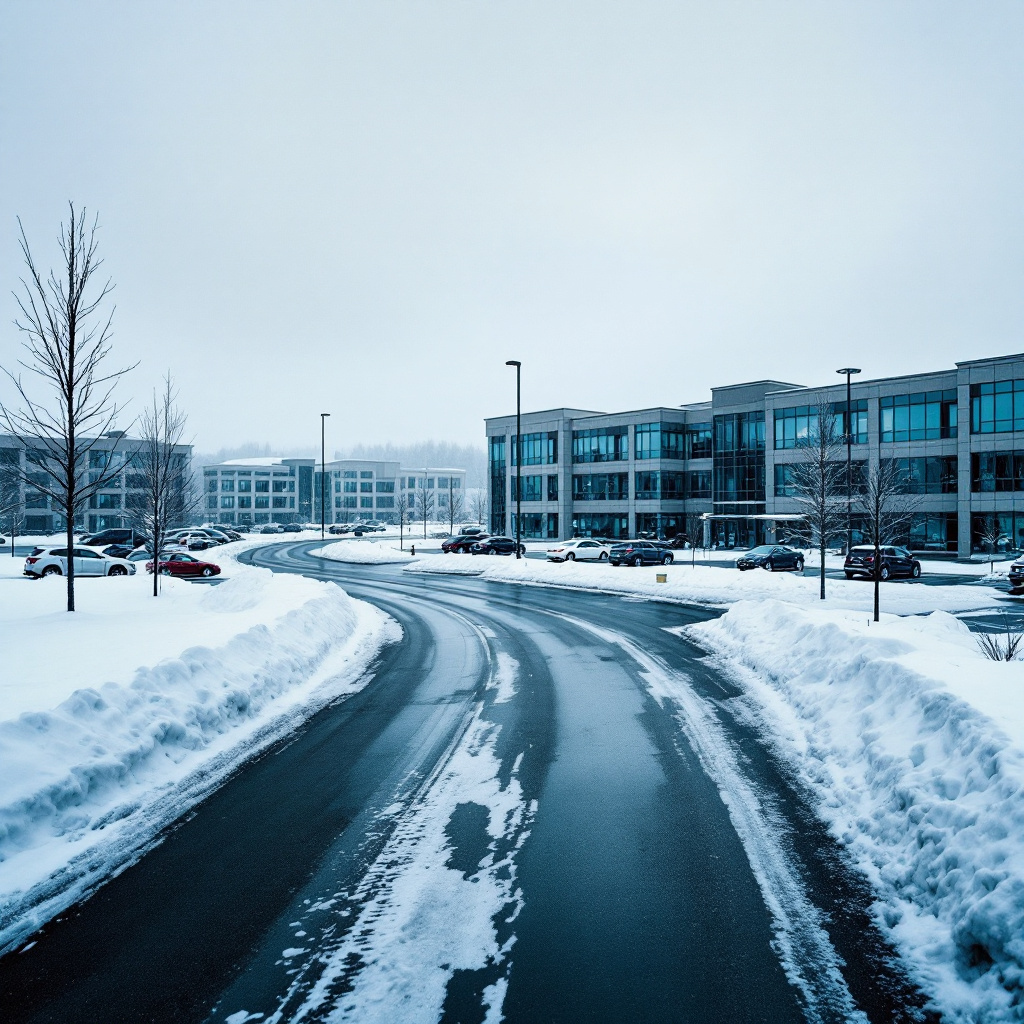
Slipping on ice or wet surfaces is one of the most common hazards during winter maintenance, which can be worth your life. Property managers must be proactive in preventing slips, trips, and falls, as these accidents can lead to serious injuries and legal liabilities. By addressing icy conditions quickly and using the right safety measures, you can keep walkways and high-traffic areas safe for both employees and visitors.- Pre-treat walkways and high-traffic areas with ice melt, sand, or non-toxic abrasives to prevent ice buildup and provide additional traction on slippery surfaces.
- Inspect and treat hidden ice beneath snow immediately, as ice can form quickly and be difficult to spot, posing a serious risk to pedestrians.
- Use plow markers to clearly outline curbs and other unexpected obstacles, particularly in large parking areas, ensuring clear visibility and reducing the chances of accidental falls.
Tip 6. Stay Hydrated and Take Regular Breaks
Cold weather doesn't make you immune to dehydration or fatigue. Even in winter conditions, staying hydrated and taking regular breaks is crucial for maintaining safety, alertness, and overall well-being. Dehydration and fatigue can impair judgment and increase the risk of harm, so it's important to prioritize rest and refreshment during snow removal tasks.- Encourage short water breaks for workers, even if they don't feel thirsty, as cold air can suppress the sensation of thirst, leading to dehydration.
- Rotate staff frequently to prevent overexertion and ensure that no one is pushing themselves too hard during snow removal tasks, especially during long shifts.
- Provide a warm break area for crews working extended hours to rest, warm up, and recharge, helping them stay focused and avoid fatigue-related accidents.
Tip 7. Know When to Use Professional Snow Removal Services
Commercial properties often span large areas, and clearing snow from these extensive spaces can be overwhelming and time-consuming. Using trained professionals for snow removal reduces risk, saves valuable time, and ensures compliance with safety expectations, helping you know the signs of when to seek professional assistance. Professional snow removal services bring expertise and equipment that can handle large-scale snow clearing while maintaining high safety standards.- Consider professional services for clearing large parking lots and high-traffic sidewalks, where manual removal may not be efficient or safe.
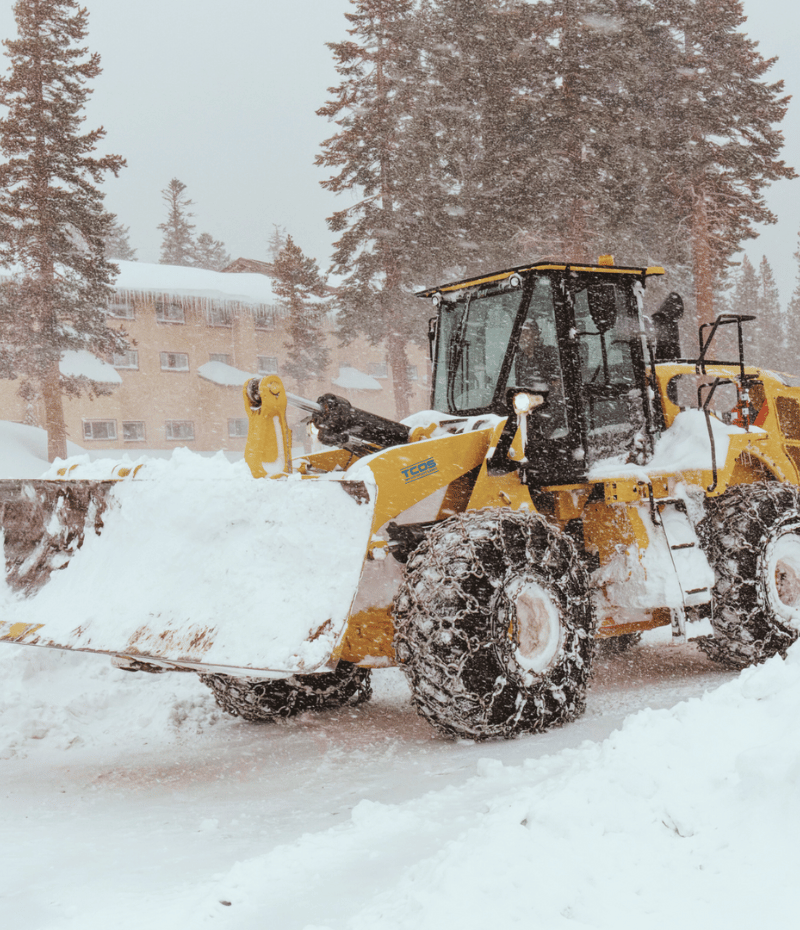
- Professionals are equipped with heavy-duty tools, such as snow blowers, plows, and salting equipment, ensuring thorough and efficient snow removal.
- Partnering with experienced services like TCOS guarantees consistency and quality, especially during repeated winter storms, preventing backlogs and reducing liability risks.
Tip 8. Train Your Team on Safety Protocols
Educated crews are essential in preventing accidents during snow removal. A well-trained team can identify hazards early, follow proper snow removal procedures, and respond to emergencies safely. Investing in safety training helps minimize risks, ensures everyone understands how to protect themselves and others during winter maintenance, and emphasizes the importance of prevention in avoiding accidents.- Conduct pre-season safety training that covers snow removal best practices, proper lifting techniques, and how to identify and manage common winter hazards.
- Use visual aids or checklists in crew briefings to reinforce safe movements, such as proper bending, lifting, and snow-blowing techniques.
- Review past incidents and accidents to identify weaknesses in your current protocols, making necessary adjustments to improve safety procedures for the upcoming winter season.