





Most cracked, chipped, or spalled concrete steps can be repaired without a full teardown. Knowing how to repair concrete steps starts with assessing the damage: surface problems call for a patch, while a compromised structure calls for replacement. On commercial property, the stakes are higher than looks alone, since a cracked tread or crumbling concrete edge can trip a tenant or customer and turn into a liability claim.
This guide covers what causes step damage, how to tell concrete stair repair from replacement, what a proper repair involves, and how to keep the fix from failing.
Key Takeaways
- Catch damage early. Small concrete issues like cracks and chips are repairable. Ignored damage spreads and can turn into structural failure.
- Blame the weather. Freeze-thaw cycles and de-icing salt are the main drivers of spalling on Minnesota steps.
- Check the base first. The decision on a replacement or repair approach depends on whether the structural integrity under the surface is still sound.
Why Commercial Concrete Steps Fail
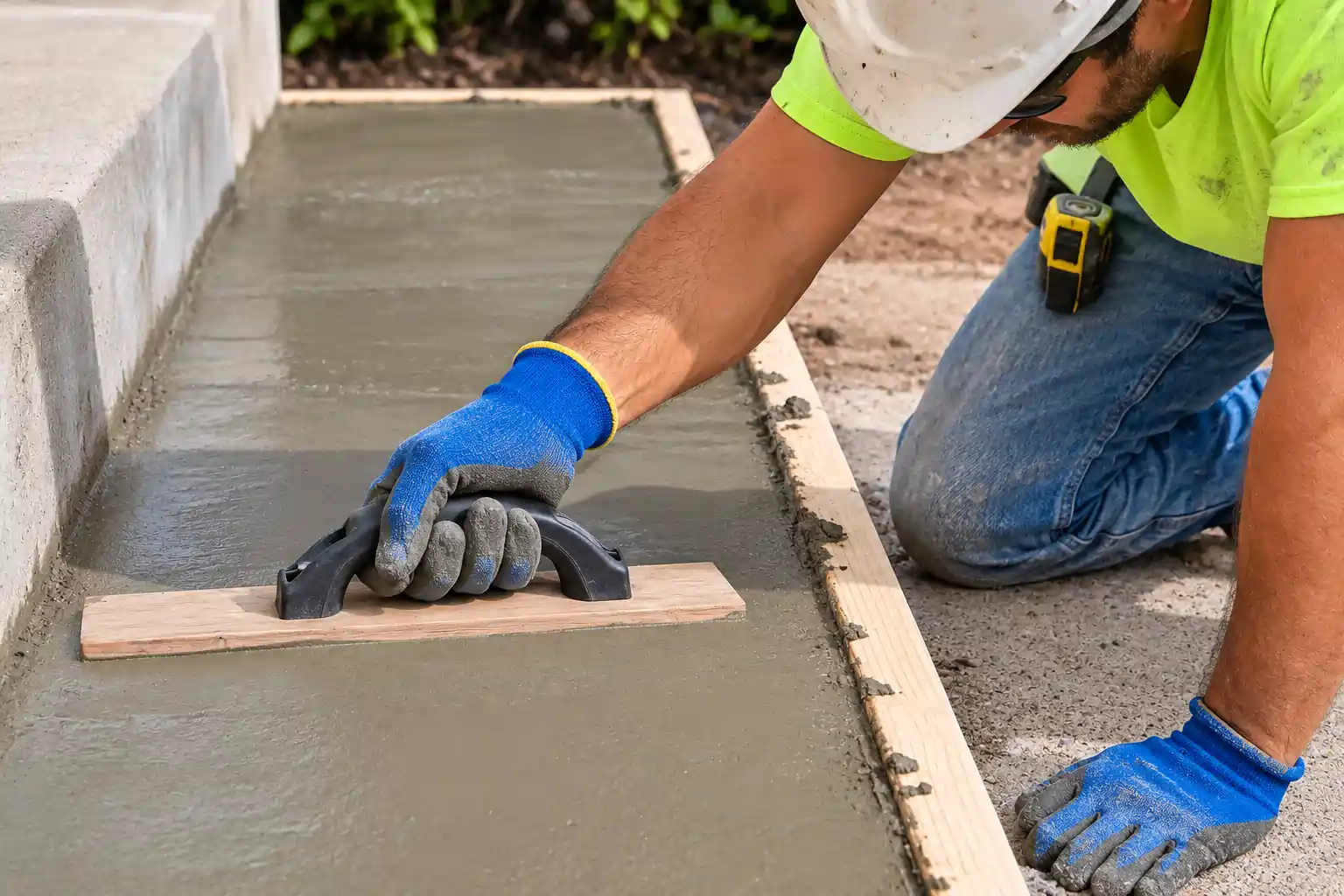
Concrete steps deteriorate mostly because of water. Water seeps into pores and cracks the cement, then freezes when temperatures drop and expands. The pressure fractures the top layer, and pieces flake off. This is known as spalling, which is the most common form of concrete deterioration on outdoor steps.
So what causes concrete steps to crack and crumble in Minnesota? The answer is the repeated freeze-thaw cycles that hit the region all winter. Each freeze-thaw cycle adds stress to the existing steps. Using de-icing salt makes it worse. It raises the number of freeze-thaw events at the concrete surface and corrodes the steel reinforcement inside the slab.
Three forces speed up the damage on commercial building steps:
- Water and moisture that sit on the surface or pool at the base
- Freeze-thaw cycles that crack the concrete from the inside out
- De-icing salt that accelerates scaling and rusts rebar
Steps in commercial settings take a harder beating than residential ones. They withstand heavy foot traffic all day, and constant exposure to the elements wears them down faster.
How Do You Know If Steps Need Repair or Replacement?
The simple rule is to repair the steps when the base is solid with surface-level damage and to replace them when the structure itself is compromised. Professional contractors assess the condition and task by looking past the surface to check whether the core still holds its shape and strength.
So, can you repair concrete stairs, or do the steps need to be replaced? Most surface problems point to appropriate repairs. Cracks, chips, and spalling on a sound step are all fixable. But if the damage includes deep structural cracks, sinking, or steps pulling away from the building, replacement is the better option.
The cost of the repair or replacement task tracks with the severity of the damage. The size of the steps and repair area, the depth of the damage, and the labor all shape the final number. The table below sums up the common signs.
| Sign | What it usually means | Likely path |
| Hairline or surface cracks | Early wear, moisture entry | Repair |
| Chipping and flaking (spalling) | Freeze-thaw surface damage | Repair |
| Sunken or tilting steps | Settling or washed-out base | Repair or lift |
| Deep cracks or steps pulling from the building | Structural movement | Replace |
| Exposed, rusted rebar | Reinforcement failure | Replace |
When the damage runs deep, full concrete replacemen is the safer call for commercial property managers.
How to Repair Concrete Steps the Right Way
Following a clear sequence helps ensure a suitable repair solution that lasts. The first step is to hire a professional crew. They prep the surface, patch the damage with the right material, then resurface where needed and let the concrete cure. Each stage decides whether the fix will last for years or fail by next winter.
Surface preparation and damage removal
A repair only lasts if it bonds. This starts with good prep. First, the crew removes all loose and spalled material, down to sound concrete. Crumbling edges and weak spots with chipped concrete all come out. Skip this, and you book yourself a ticket to the fastest route to a failed patch.
Next comes cleaning. A clean surface lets new material grip the existing concrete. The crew clears dust from the damaged area, then applies a concrete bonding agent for strong adhesion to the old slab. This is important because new concrete will not stick to a dirty or unsound surface.
Patching cracks, chips, and spalled areas
The right repair material depends on the damage. This means the fix for a deeply damaged concrete corner is very different than the specific repair approach for a thin surface flaw. Common options include:
- Concrete patching compound for chips and shallow cracks
- Repair mortar for deeper patches and rebuilt edges
- Epoxy for bonding and structural repairs
- Vinyl concrete for thin overlays
The crew applies the material using a trowel, rebuilds broken edges and corners, and then feathers it to smooth the surface so the patch matches the step. It is important to work well on damaged edges, since worn corners are where the next round of damage tends to start.
Resurfacing and curing
Spot patching is not enough when surface damage covers most of a step. Resurfacing restores the whole tread with a thin overlay and gives the step a uniform face. This is effective when the concrete structure is sound, but the surface has worn out.
Many people rush curing, but it undoes the work. Most repairs handle light foot traffic after 24 to 48 hours, but full strength builds over about 28 days. Minnesota winters stretch those timelines, so the work has to fit the season. For steps that have sunk rather than become worn, concrete lifting raises them back to grade.
What Keeps Repaired Steps from Failing Again
A good repair is long-lasting and buys you years of longevity and safety, but only with upkeep. Sealing and drainage matter most. A sealer coating blocks moisture from soaking in, and good drainage moves water away from the steps instead of letting it pool, freeze, and turn into safety hazards. Together, they break the cycle that causes the damage.
The rest is regular concrete maintenance and care:
- Seal the surface to keep moisture out
- Fix drainage so water flows away from the steps
- Avoid using harsh salts and opt for de-icers that are safe for use on concrete
- Inspect each spring and fall to catch new cracks early
Block water and limit harsh salt, and you slow the freeze-thaw damage that wears steps down. Concrete cleaning and sealing is a cost-effective habit that extends the life of every proper concrete repair job.
Why Professional Repair is the Practical Default
Professional repair is the practical default for a commercial property, not a premium add-on. Commercial steps face heavier traffic and stricter code and ADA expectations than steps in homes. If a quick fix fails, it risks reopening the same liability you tried to close.
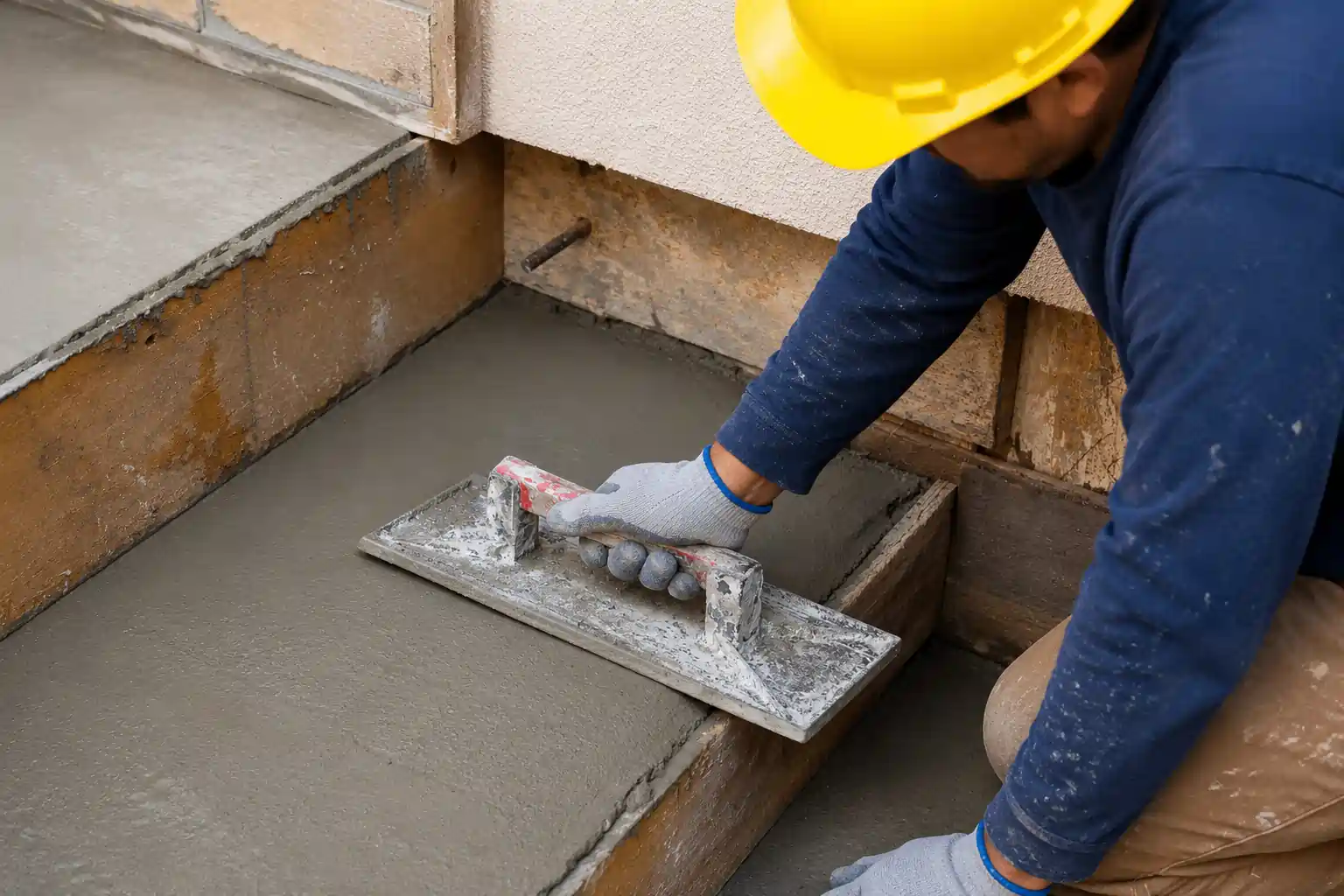
A correct repair starts with the right diagnosis. Reading the base, matching materials to the load, and finishing to a safe, level surface all take trained hands and the right equipment. For commercial properties, professional crews work around your operations, which allows tenants and customers to keep moving during the repair. The result meets commercial concrete repair standards, holds up to daily use, and is built to last.
Supporting Proof
Twin City Outdoor Services (TCOS) has served Minnesota commercial properties for more than 30 years. Our team of trained professionals work only on commercial sites, so we are familiar with working on high-traffic entrances and hard winters. That focus shapes how we diagnose and repair every set of steps to maintain a safe set of concrete steps and curb appeal.
Step repair rarely stands alone. We handle concrete repair, lifting, replacement, and surface restoration in house, so a step fix can fold into the broader maintenance plan for your site.
Frequently Asked Questions
How do you repair cracked concrete steps?
Our team cleans the crack and removes loose material. They then apply a bonding agent so the new material grips the old concrete. After this is done, our crew fills the crack with patching compound or repair mortar and then smooths it level.
Is it cheaper to repair or replace concrete steps?
A repair task when the base is sound is usually the better path towards cost savings. The price depends on the damage, the size of the steps, and the labor. Replacement makes more sense once the structure is compromised.
How long do repaired concrete steps last?
A repair that is prepped, patched, and sealed correctly can maintain structural integrity and last for years. The longevity depends on the materials, proper curing, drainage, and winter care. Sealed, inspected steps hold up far longer than neglected ones.
Can you repair precast concrete steps?
Yes. Chips, cracks, and surface spalling on precast steps are repairable with the right materials. Badly cracked or shifting precast units are different, and replacement is often the safer choice there.
How often should commercial concrete steps be inspected?
Inspect each spring and fall, plus after any hard freeze. Spring checks catch winter damage and fall checks prep the steps for the next freeze-thaw season. Regularly inspecting concrete steps keeps small cracks from growing.
Keep Your Property's Steps Safe and Compliant
Damaged steps can quickly escalate into major liabilities that get worse with every freeze-thaw season. Each winter widens the cracks and deepens the risk to anyone using the entrance to your commercial property. The fix is a correct, professional repair done before small damage becomes a big problem.
Twin City Outdoor Services repairs concrete steps on commercial properties across the Twin Cities and greater Minnesota. Call us at 763-235-2400 or schedule a property assessment to get your steps back to safe and solid.