

Your parking lot may have taken a beating all winter. Freeze-thaw cycles potentially cracked the pavement, plow blades perhaps scraped the seal coat, and salt residue potentially worked its way into surface pores. Now that summer is here, you have a narrow window before fall's cooling temperatures close the door on effective asphalt repairs and surface treatments. This checklist is for property managers and facility directors in Minneapolis who want to protect their parking lot investment and avoid the higher cost(s) of deferred maintenance.
Summer Parking Lot Maintenance Checklist
Phase 1: Condition Assessment
Before scheduling any work, walk the entire property and document what you see. Use this framework:
- Crack mapping: Identify and photograph all visible cracks. Measure approximate length. Flag any cracks wider than half an inch, which often require patching rather than simple crack filling.
- Pothole inventory: Mark potholes by size and location. Potholes adjacent to drainage structures or utility covers require special attention during repair.
- Surface oxidation: Fresh asphalt is dark black. Oxidized asphalt is gray or faded. Gray surfaces have lost their binder flexibility and may crack more readily in the next freeze-thaw cycle. These are candidates for sealcoating.
- Drainage check: Walk the lot during or after a rain event if possible. Standing water indicates drainage issues that need addressing.
- Striping condition: Check painted striping, ADA markings, fire lane delineation, and stop bars. Faded or missing striping is a potential liability issue, not just a cosmetic one.
- Curb and edge condition: Inspect concrete curbing for spalling, settling, and joint separation. Damaged curbing allows water intrusion that accelerates subbase deterioration.
Phase 2: Priority Repairs (Address Before Any Surface Treatment)
Surface treatments applied over structural damage often waste money. Complete these repairs before sealcoating or striping:
Pothole Patching
Any pothole larger than a few inches across needs hot-mix asphalt patching, not cold-patch filler. Cold patch is a temporary solution that might fail before winter. In summer, when hot-mix plants are running at full capacity, this is the time to schedule proper repairs. Learn more about commercial asphalt repair services from TCOS.
Crack Filling
Cracks up to three-quarters of an inch wide can be addressed with hot-applied rubberized crack filler. This seals out water and restores some surface flexibility. Cracks wider than this, or any crack that shows edge crumbling, typically need saw-cutting and patching before filling is effective.
Utility Cut Repairs
If utility work was done on the property in the past 12 months, inspect those cuts. Cold-patch repairs applied by utility contractors are often temporary. Schedule permanent patching on any utility cuts that were not restored to full-depth asphalt during the initial work.
Concrete Curbing and Ramp Repairs
Spalled or cracked curbing is both a liability issue and a water intrusion source. Summer is the right window for concrete repair work. Review the signs that concrete needs replacement versus repair before deciding on scope. TCOS handles commercial concrete repairs including curbing, slabs, and ADA ramp compliance work.
Phase 3: Surface Treatment (After Repairs Are Complete)
Striping and Marking
New striping should be applied after sealcoating cures (typically 24 to 48 hours after application). Plan your striping layout before the contractor arrives. If your property has changed in use, traffic patterns, or ADA requirements since the last striping, address those changes now rather than repainting the same outdated layout.
ADA parking space dimensions, signage height requirements, and accessible route markings are subject to federal standards. Non-compliant markings are a liability, not just an aesthetic issue.
Phase 4: Drainage and Infrastructure
Catch Basin Inspection
Catch basins are your parking lot's drainage backbone. Summer is the right time to inspect and repair damaged basins before fall rain events stress the system. TCOS handles catch basin repairs for commercial properties.
Drainage Swale and Edge Clearance
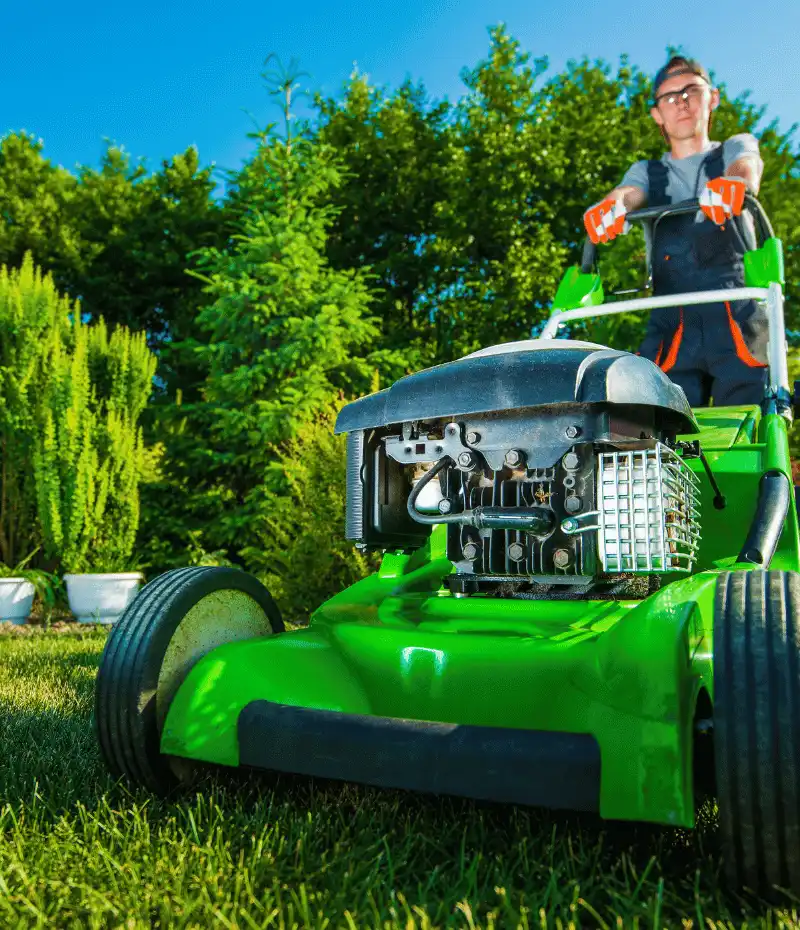
Vegetation encroachment along lot edges and drainage swales can restrict water flow and accelerate pavement edge deterioration. Schedule vegetation clearing and edge trimming as part of your summer maintenance cycle, not as an afterthought.
Utility Covers and Expansion Joints
Check that all utility covers (gas, electric, water) are flush with the surface. Raised or sunken covers are often trip hazards and can damage plow blades in winter. Expansion joints that have lost their sealant allow water intrusion that undermines subbase integrity over time.
Phase 5: Pre-Winter Preparation (Complete by September)
These items need to be finished before the first hard frost:
- All crack filling completed and cured
- Sealcoating applied and cured (minimum two weeks before first frost is ideal)
- Utility covers at grade
- Drainage channels clear of debris and vegetation
- Pavement markings visible and compliant
- Snow contractor site walk completed (they need to know where utility covers, speed bumps, and drainage grates are before the first snow event)
Sample Timeline for a Complete Summer Parking Lot Maintenance Cycle
| Task | Ideal Window | Lead Time to Book |
|---|---|---|
| Condition assessment and contractor bids | Early July | Immediate |
| Pothole patching and structural repairs | Mid-July through August | 2 to 3 weeks |
| Crack filling | July through mid-August | 1 to 2 weeks |
| Sealcoating | August (after repairs cure) | 2 to 4 weeks |
| Striping and ADA markings | After sealcoating cures | 1 week |
| Catch basin and drainage repairs | July through September | 1 to 3 weeks |
| Snow contractor pre-season walk | September | Book in August |
Next Steps
If your parking lot has not been professionally assessed this season, start there. A proper condition review gives you a prioritized scope of work based on actual conditions, not a best guess from the parking lot.
TCOS serves commercial properties across the Twin Cities Metro asphalt repair and surface maintenance, concrete services, landscape maintenance, and commercial snow removal. One vendor, full-season coverage.
Contact TCOS for a summer parking lot assessment and get scheduled before the fall maintenance window closes.