

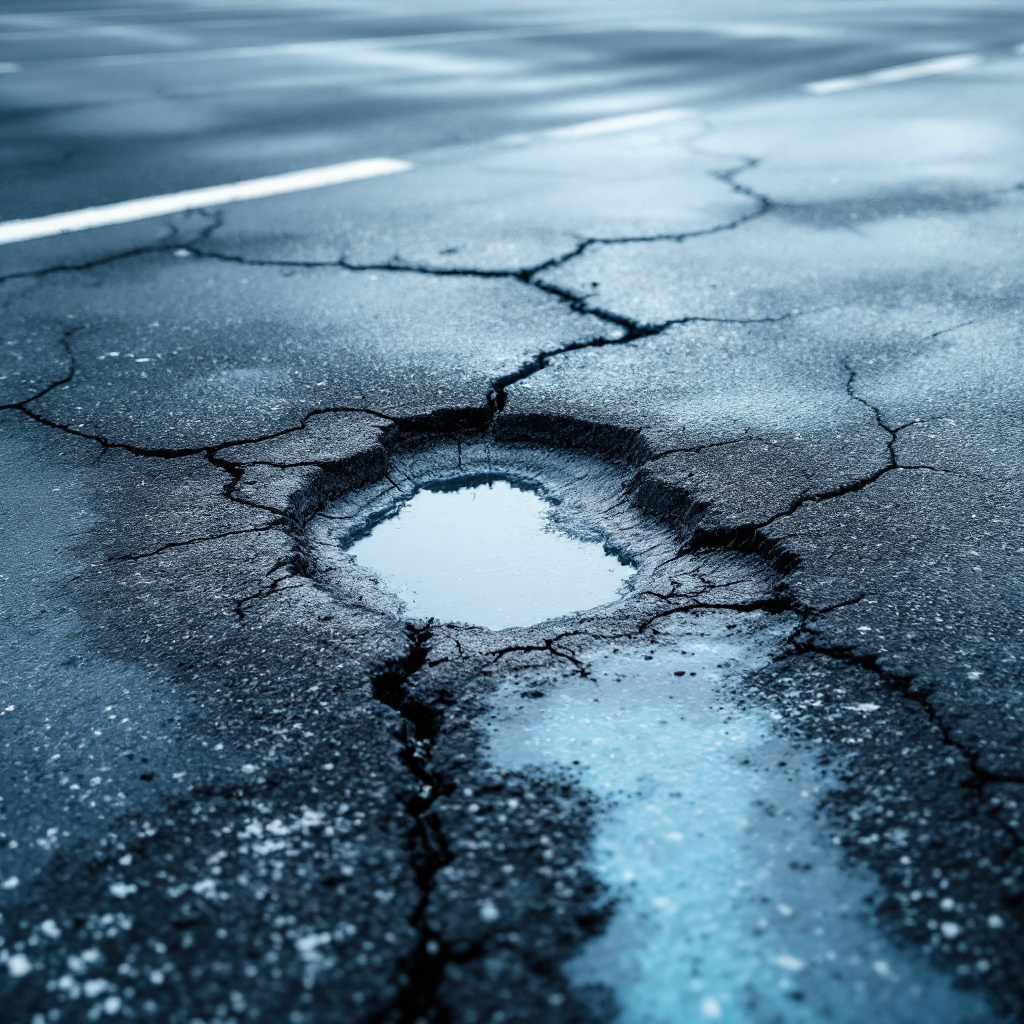

Minnesota's fall-to-winter swing is the hardest stretch of the year on a commercial parking lot. Daytime melt and overnight refreeze force water into every crack in asphalt and concrete, and each freeze-thaw cycle widens what was a hairline fracture into a pothole, a heaved slab, or a curb that no longer sheds water correctly. Once the ground freezes solid, most structural repair options close for the season. This checklist is built around that window: what to inspect now, what can still be fixed before the frost line sets in, and what has to wait for spring.
Why Freeze-Thaw Cycling Is Worse in the Twin Cities Than Almost Anywhere Else
Minneapolis and St. Paul sit in a climate band that regularly swings through freezing and thawing dozens of times between October and March, rather than freezing once and staying frozen. Every swing pushes water that has worked into pavement or concrete through an expansion-contraction cycle. In asphalt, that cycle pries apart the aggregate at the edges of existing cracks. In concrete, it drives spalling at joints and corners, and it is the mechanism behind frost heave under slabs and curbs. A crack that looks cosmetic in October can be a structural pothole or a lifted slab by February if it is not addressed before the ground locks up.
What to Walk Before the First Hard Freeze
A fall surface walkthrough should cover both asphalt and concrete, since a property rarely has only one. Look for:
- Alligator cracking in drive lanes and high-traffic turning areas, where interlocking cracks signal the base is already failing underneath.
- Isolated potholes near dumpster pads, loading docks, and entrance aprons, where heavier and slower-moving vehicles concentrate stress.
- Joint and edge spalling on concrete sidewalks, curbs, and building-adjacent slabs, especially where water already pools after rain.
- Standing water or ponding anywhere in the lot, which is both a freeze-thaw accelerant and a sign of a drainage or catch basin issue that will only get worse once snow is on the ground.
- Curb and ramp settling at ADA access points, which creates both a liability exposure and a snowplow hazard once the area is covered.
Asphalt vs. Concrete: Different Damage, Different Deadlines
| Issue | Material | Fall Window | What Happens If It Waits |
|---|---|---|---|
| Hairline and alligator cracking | Asphalt | Crack sealing is weather-dependent and generally needs to be done before temperatures drop below the mid-40s consistently | Cracks widen all winter as water freezes and expands inside them |
| Isolated potholes | Asphalt | Patchable until the ground is frozen solid | Becomes a liability and vehicle-damage issue through winter, then a larger patch job in spring |
| Joint spalling, minor spalls | Concrete | Repairable in good fall weather with appropriate cure time | Spalling accelerates once freeze-thaw cycling starts in earnest |
| Heaved or cracked slabs | Concrete | Full replacement needs to be scheduled before the ground freezes for excavation | A trip hazard sits through winter under snow, then replacement waits for spring thaw |
| Drainage and catch basin issues | Both | Best addressed before snow cover makes inspection and access difficult | Ice forms over standing water, and snowmelt has nowhere to go all winter |
Frequently Asked Questions
Is it too late to repair asphalt once it gets cold in Minneapolis?
Cold-mix patch materials extend the window later into the season than a hot-mix repair, but they are a temporary fix, not a permanent one. If a pothole or crack is identified before the first hard freeze, a proper hot-mix repair or crack seal lasts through the winter instead of needing to be revisited once the weather warms.
Can concrete be repaired in cold weather?
Concrete work depends on consistent cure temperatures, so a fall repair needs to happen with enough lead time for the pour or patch to cure properly before a hard freeze sets in. That is exactly why the fall walkthrough matters: identifying the damage in September or October leaves room to schedule the repair, where identifying it in December usually means waiting for spring.
What should a property manager do if a problem is found too late to repair this fall?
Document it with photos and a location note, flag it for the earliest spring repair window, and in the meantime make sure it is marked or barricaded if it presents a trip or vehicle hazard under snow cover. A known, documented issue that is addressed in spring is a very different liability position than one nobody tracked.
Does sealcoating help with freeze-thaw damage?
Sealcoating does not fix existing cracks or potholes, but applied to otherwise sound asphalt before winter, it reduces how much water penetrates the surface in the first place, which directly reduces how much freeze-thaw cycling can do over the season.
Who Should Walk the Property, and When
This is not a job for a quick drive-through. A useful fall walkthrough means getting out of the vehicle and checking drive lanes, parking stalls, loading areas, sidewalks, entrances, and any ADA-designated route on foot, in daylight, before the first forecasted hard freeze of the season. For most Twin Cities commercial properties that window lands sometime in October, which is also before the first snow event most years, so the surface is still fully visible and accessible for repair crews and equipment. Waiting until after the first snowfall to walk the property means walking it blind, since damage that was obvious in October is invisible under two inches of snow in November.
Multi-site portfolios benefit from a standardized checklist used at every property, so findings are comparable across the portfolio and nothing gets missed because one site manager has a sharper eye than another. A written, dated record of what was found and what was repaired also matters if a slip-and-fall or vehicle-damage claim comes up later in the winter; being able to show that the surface was inspected and addressed before the ground froze is a materially stronger position than having no record at all.
Building This Into Your Fall Checklist
The property managers who avoid spring surprises are the ones who most often treat this as a scheduled fall task, not a response to a complaint. That means a documented walkthrough of every asphalt and concrete surface on the property, a prioritized list split between what can still be repaired this season and what has to be flagged for spring, and a single vendor who can act on both the asphalt and the concrete findings instead of coordinating two separate contractors on a shrinking calendar.
TCOS handles commercial asphalt repair, concrete repair and replacement, and catch basin and drainage work under one contract across the Twin Cities, which is what makes a single fall walkthrough simple and actionable instead of a list that gets split between vendors and stalls. See our asphalt repair guide and concrete replacement signs for more detail on identifying each type of damage, and our catch basin repair checklist if drainage is part of what you found on your walkthrough.

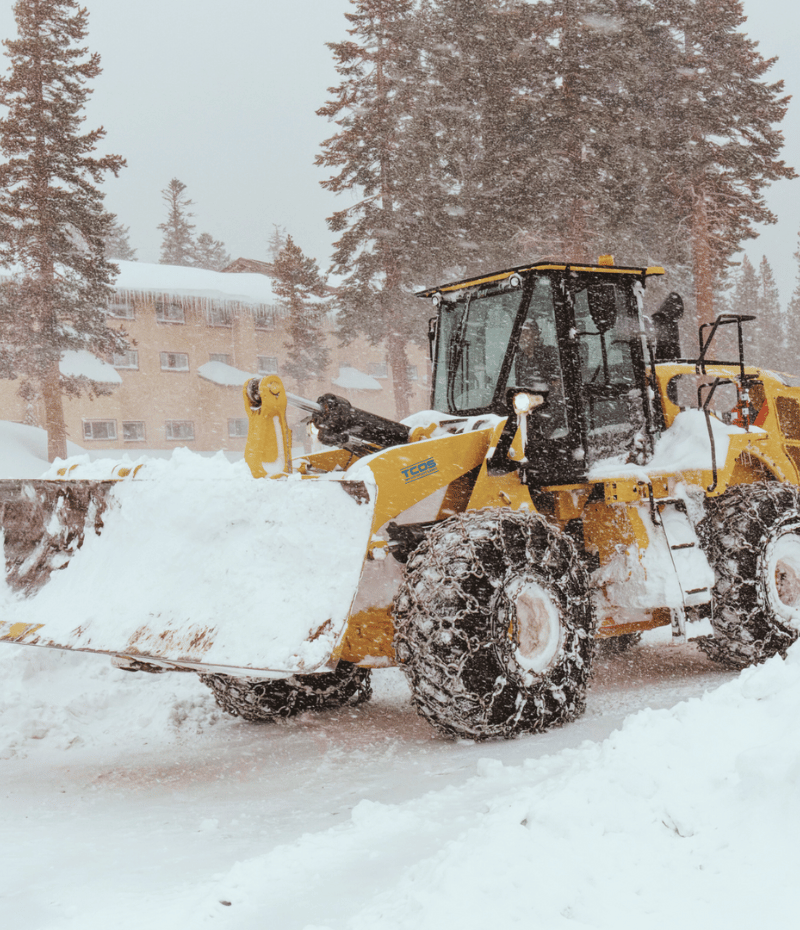
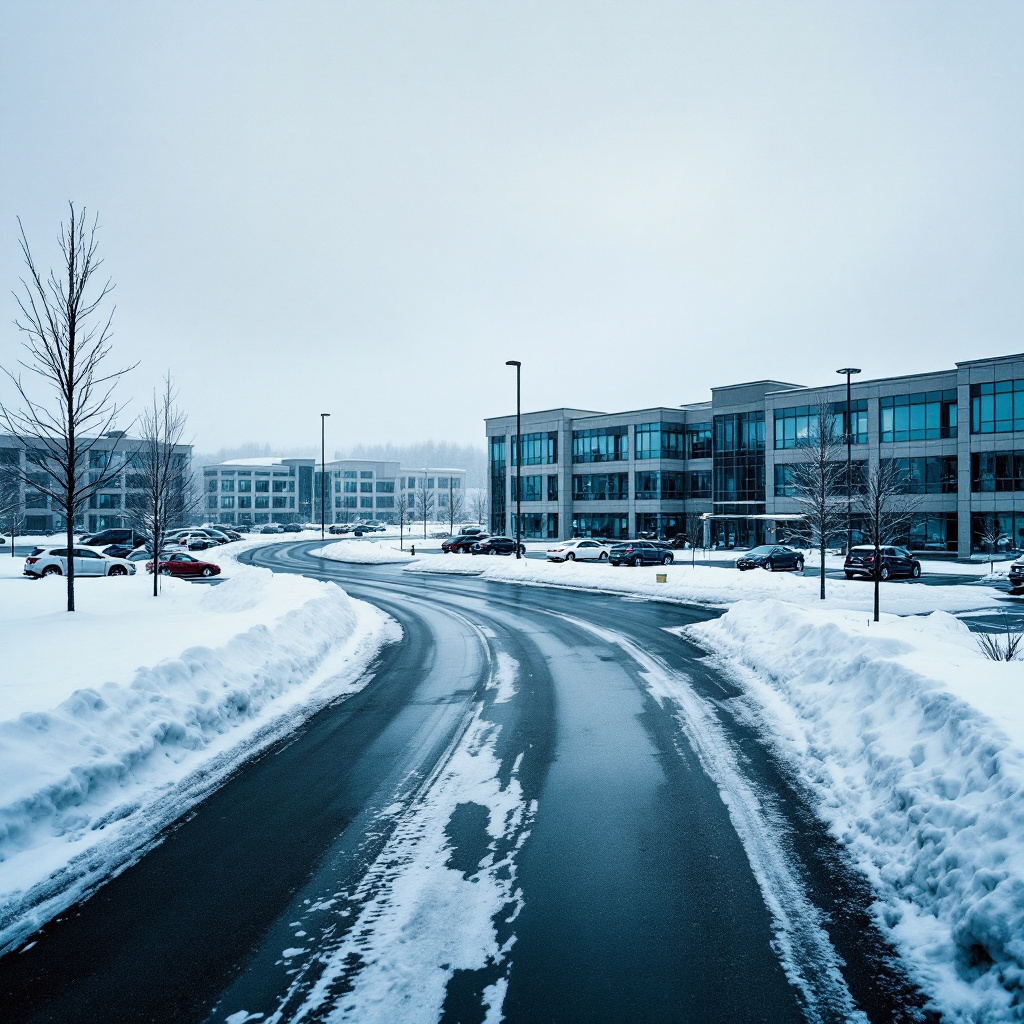
Once snow is on the ground, this work moves from a repair conversation to a snow and ice management conversation. If you have not locked in your winter services yet, now is also the time. Contact TCOS to schedule a final fall surface walkthrough before the ground freezes.
Talk to TCOS about your property
Ready to plan the season? Contact TCOS, email [email protected] or call 763-235-2400.