


Fall Catch Basin Checks Belong on Twin Cities Property Manager's Punch Lists
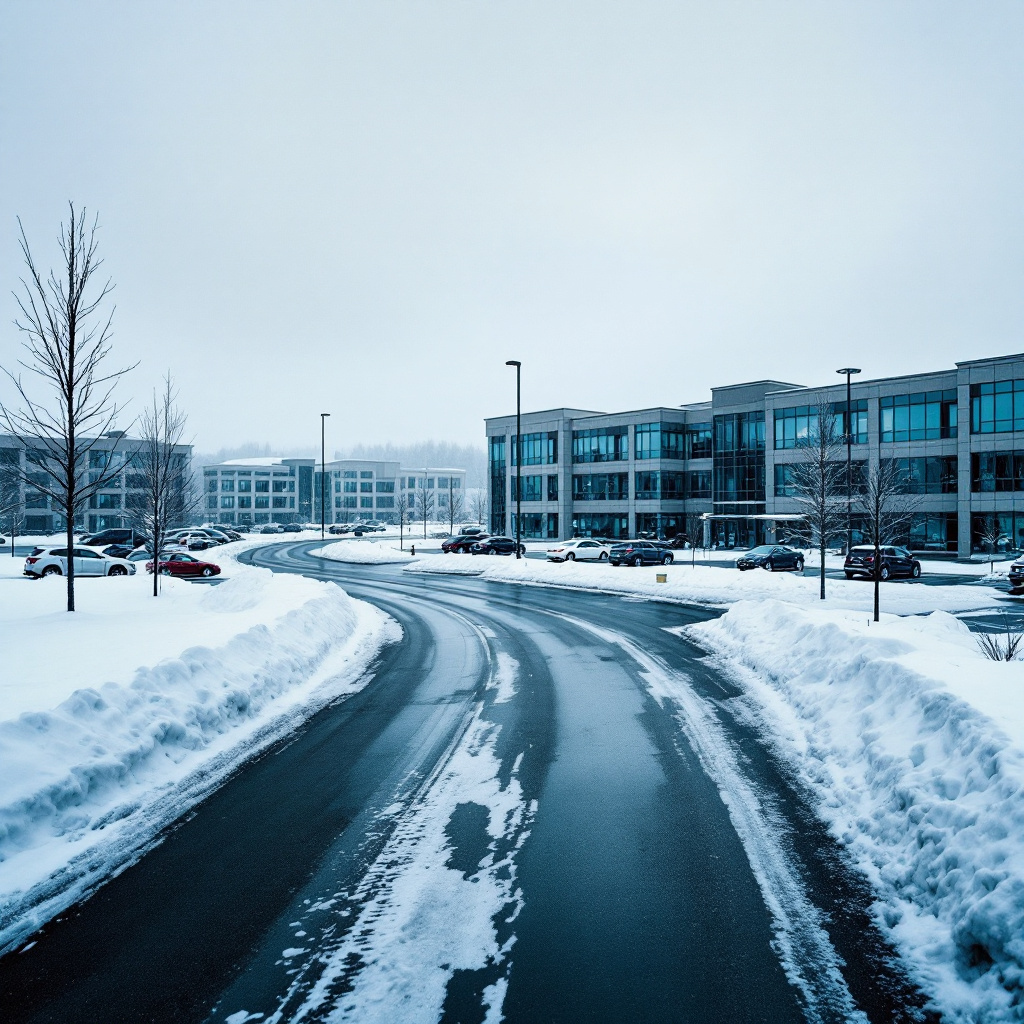
Freeze-thaw cycles are hard on surface areas, and catch basins take more of that punishment than almost any other structure on a commercial property. Water sits in and around the basin throat, freezes overnight, expands, and thaws again the next day. Over a Twin Cities Metro winter, that cycle repeats dozens of times between November and March. A basin with existing cracks or settling issues in October will almost always be worse by April, and a small repair deferred through winter often becomes a full replacement by spring.
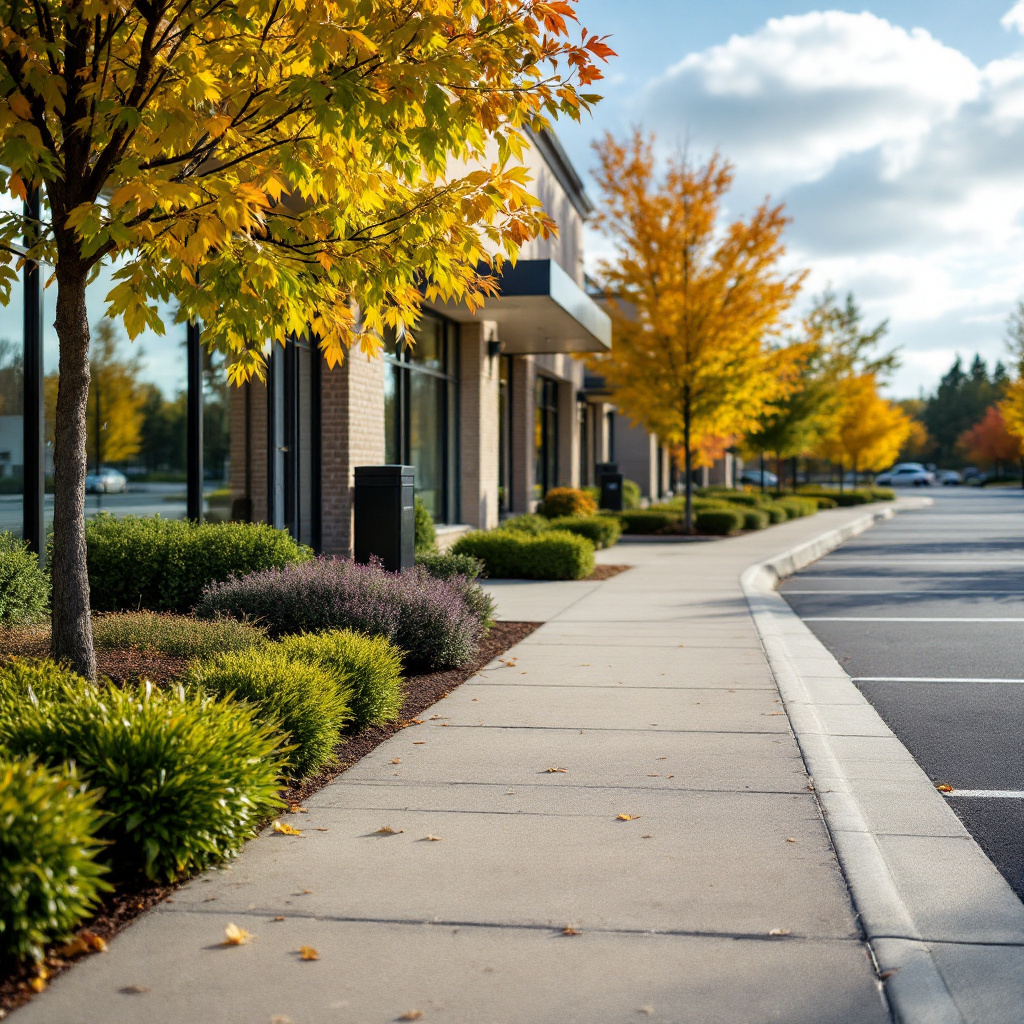
For property managers overseeing retail centers, office parks, HOA common areas, or industrial lots across Minneapolis, St. Paul, Bloomington, Eagan, Plymouth, Maple Grove, Eden Prairie, and Woodbury, fall is the window to inspect, document, and address catch basin conditions before snow and ice management operations begin. Once plows and de-icing crews are working a site regularly, a damaged basin becomes both a safety liability and an obstacle to efficient snow operations.
Signs of Freeze-Thaw Damage to Look For This Fall
A visual walk of every catch basin on a commercial property takes minutes per structure but can prevent a costly winter failure. TCOS recommends property managers or their maintenance staff look for the following before the first hard freeze:
- Cracking radiating from the basin frame: Hairline cracks in fall often widen into structural cracks after repeated freeze-thaw cycles.
- Settling or sinking around the casting: A basin that sits lower than the surrounding asphalt or concrete creates a tripping and plow-blade hazard.
- Spalling concrete: Flaking or crumbling surface concrete near the throat is a strong indicator that moisture has already penetrated the structure.
- Standing water after rain events: Poor drainage around a basin signals grade or structural issues that will only worsen with snowmelt.
- Visible gaps between the frame and surrounding pavement: These gaps widen every winter and accelerate pavement deterioration nearby.
When to Repair vs. When to Replace
Not every damaged basin needs full replacement. The table below outlines how TCOS evaluates commercial catch basin condition heading into the season.
| Condition Observed | Typical Recommendation | Why It Matters Before Winter |
|---|---|---|
| Minor surface cracking, frame intact | Repair | Sealing now prevents water intrusion and stops the crack from spreading under freeze-thaw stress. |
| Frame settling less than an inch, structure sound | Repair (frame reset) | Correcting minor settling avoids a plow-blade catch and reduces trip hazard exposure. |
| Spalling concrete with exposed aggregate | Repair or partial replacement | Left untreated, spalling accelerates rapidly once winter moisture cycles begin. |
| Structural cracking through the basin walls | Replacement | A compromised structure will not survive another Twin Cities winter intact. |
| Significant sinking or shifting of the entire structure | Replacement | Indicates base or soil failure that repair alone will not correct. |
TCOS performs commercial catch basin repair and replacement as part of its commercial surface services, evaluating each structure on-site before recommending a scope of work. There is no one-size answer, and a proposal built around the actual condition of each basin protects a property's budget better than a blanket approach.
Why This Belongs in a Full-Service Fall Prep Program
Catch basin condition does not exist in isolation. A basin near a main drive lane or loading dock affects how efficiently a snow and ice management crew can service that area during winter. A basin that traps water near a walkway increases slip-and-fall exposure the moment temperatures drop below freezing. For property managers already coordinating commercial snow and ice management, fall grounds cleanup and surface maintenance, addressing catch basin issues in the same seasonal window as everything else keeps the property under one coordinated plan instead of a patchwork of separate vendors and separate timelines.
This is the advantage property managers across the Twin Cities Metro gain by consolidating snow, surface, and grounds work with a single local partner rather than splitting scope across multiple vendors. National providers often manage large multi-region contracts, which can mean less familiarity with a specific local site's drainage patterns or grading quirks. TCOS has serviced Twin Cities Metro commercial properties for 30 years, and that local, on-the-ground familiarity most often makes a huge difference.
Building the Fall Checklist
A practical fall walk-through for a commercial property may very well include:
- Visual inspection of every catch basin, drain, and inlet on the property
- Documentation (photos and notes) of any cracking, settling, or spalling
- A repair-versus-replace evaluation for any structure showing damage
- Coordination of concrete repair timing with the property's snow and ice management start date
- A review of surrounding pavement condition, since basin damage often signals nearby asphalt or concrete issues
Completing this checklist in the Fall, ahead of the first frost, gives a property enough lead time to complete concrete repairs before winter operations begin. Waiting until later means the ground may already be too cold for proper concrete cure times, pushing the work into spring and leaving a compromised structure exposed to a full winter of freeze-thaw cycles in the meantime.
Frequently Asked Questions
How do I know if a catch basin needs repair versus full replacement?
Minor surface cracking, small frame settling, or early spalling can usually be repaired. Structural cracking through the basin walls or significant sinking of the whole structure means the base has failed and replacement is the safer call. TCOS evaluates each basin on-site before recommending scope.
What is the best time of year to repair a commercial catch basin in the Twin Cities?
September and October, before the ground gets too cold for proper concrete cure times. Waiting until later often pushes the work into spring, leaving a damaged structure exposed to a full winter of freeze-thaw cycles.
Can catch basin damage affect snow removal operations?
Yes. A settled or cracked basin near a drive lane or loading dock can catch a plow blade, and standing water near a walkway increases slip-and-fall risk once temperatures drop. Addressing basin condition before winter keeps snow and ice operations running smoothly.
Get a Fall Property Assessment Scheduled
Twin Cities Metro property managers overseeing retail centers, office parks, industrial facilities, or HOA properties can request a fall assessment that covers catch basin condition alongside broader snow and ice management planning. TCOS evaluates each site's concrete structures, grading, and surface condition as part of a coordinated year-round maintenance approach. Contact TCOS at https://www.tcoscorp.com/contact/ to schedule a fall property walk-through before winter scheduling fills.
Talk to TCOS about your property
Ready to plan the season? Contact TCOS, email [email protected] or call 763-235-2400.