

When it comes to maintaining a professional and well-maintained landscape, above ground landscaping plays a crucial role in the overall aesthetic and functionality of commercial properties. From vibrant plant beds to tidy walkways, healthy turf, and carefully pruned trees and shrubs, every element contributes to making a lasting first impression on visitors, tenants, and clients. For property managers, keeping these elements in top shape isn't just about curb appeal; it’s about safety, accessibility, and creating a welcoming environment year-round. Unlike residential landscaping, commercial landscape maintenance requires a tailored, proactive approach that addresses the unique demands of high-traffic areas and Minnesota’s climate.
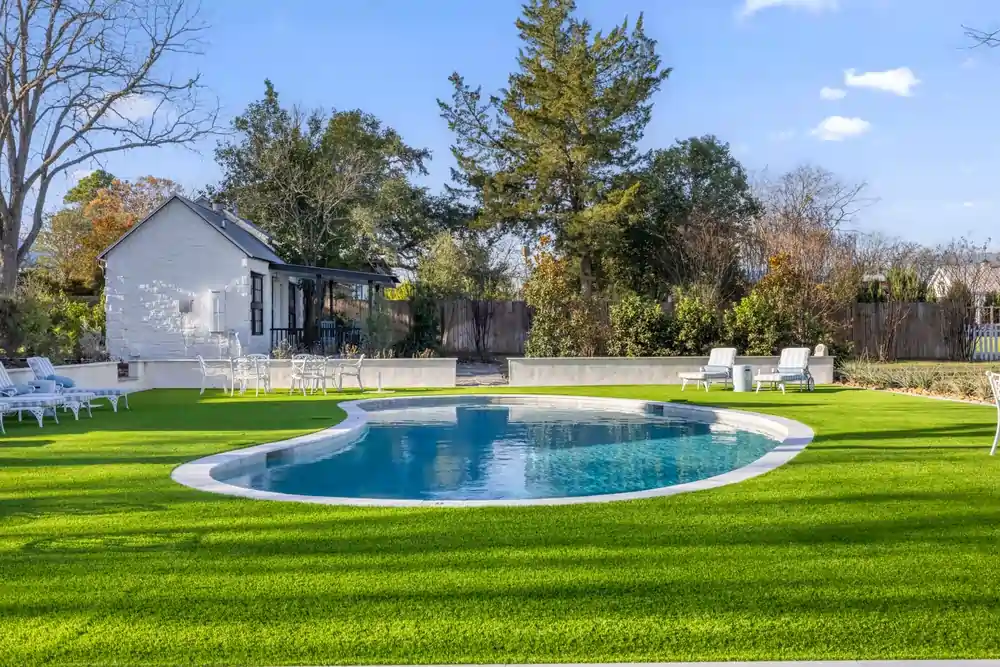
With regular, professional irrigation system management, you can avoid these issues and ensure your impeccably designed landscape receives just the right amount of water, reducing waste and keeping your commercial property looking its best throughout the year. By managing your irrigation system proactively, you protect your investment in the landscape and reduce the likelihood of emergency repair calls.
Key Takeaways
- Above ground landscaping includes all visible elements such as turf, plant beds, trees and shrubs, and walkways, essential for creating a positive first impression.
- Professional commercial landscaping services help ensure your property’s appearance remains consistent, even with changing seasons.
- Year-round care is crucial for commercial properties, addressing both aesthetic appeal and functional needs while managing seasonal challenges like snow and ice.
What "Above Ground Landscaping" Actually Means for Commercial Properties
Above ground landscaping refers to all the visible landscape elements that exist at or above the soil surface, forming the face of any commercial property. This includes turf, plant and flower beds, trees, shrubs, seasonal color, and walkway borders. It’s about creating an aesthetically pleasing landscape design and environment that serves both functional and visual purposes. While many people associate landscaping with lawn care, professional commercial above ground landscaping goes far beyond simply mowing the grass — it encompasses the careful management of every green space and planted area to ensure longevity and health throughout the year. For commercial properties, landscape maintenance is an ongoing, multi-service effort, distinct from residential landscaping in scope and cadence. It’s not just about maintaining or enhancing your curb appeal throughout the year — it’s about ensuring the safety, accessibility, and long-term vitality of the landscape. Commercial maintenance requires scheduled service and landscape maintenance contracts, specialized crews, and year-round planning, especially in regions like Minnesota, where seasonal changes pose additional challenges.Key Components of Above Ground Landscaping for Commercial Properties:
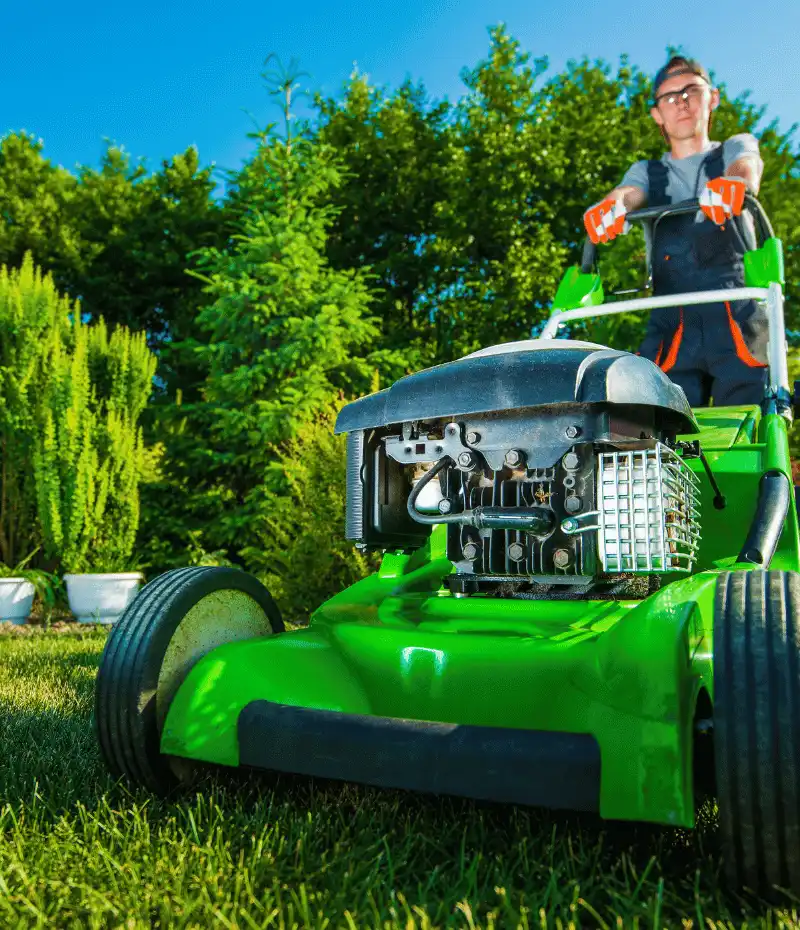
- Turf Maintenance: Includes mowing, fertilization, aeration, and weed control.
- Plant Beds and Shrub Care: Regular maintenance to ensure healthy plants and trees, including pruning and trimming.
- Seasonal Color: Rotating plants to add visual interest year-round.
- Walkway and Border Management: Ensuring pathways are clear, tidy, and safe.
- Tree and Shrub Health: Ongoing monitoring and pruning for safety and aesthetics.
Core Services That Should Be in Every Commercial Landscaping Plan
Certain commercial landscape maintenance services form the backbone of any comprehensive plan. From turf care to plant bed management, maintaining a professional exterior means addressing every aspect of the above ground landscaping. A well-maintained landscape not only enhances the aesthetic appeal of your property but also ensures a safe, welcoming environment for tenants, visitors, and clients. Below are the core services that should be included in commercial landscaping plans.Lawn Care and Turf Management
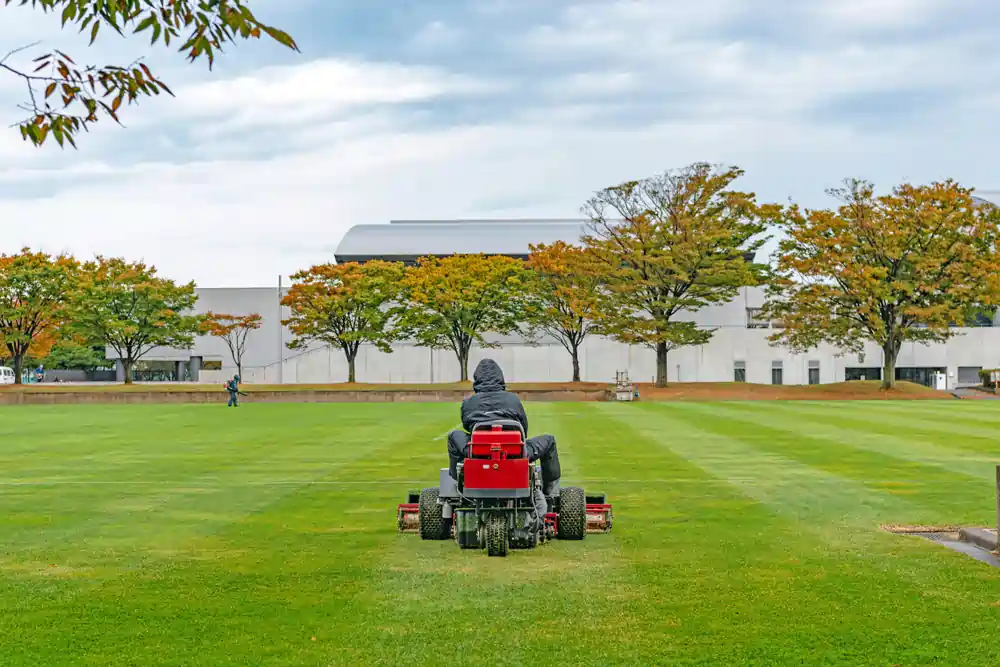
Turf management is far more than just regular lawn mowing; it’s a science that ensures your grass remains healthy and resilient. Without proper lawn maintenance and care, commercial properties risk liability exposure and damage to their first impression. A professional turf management plan includes:- Regular Mowing and Edging: Helps maintain a neat, consistent appearance.
- Fertilization: Keeps the lawn lush and nourished, adapting to Minnesota's harsh climate.
- Aeration: Allows the soil to breathe, ensuring nutrients reach the roots.
- Weed Control: Keeps unwanted plants at bay, improving the health of your lawn.
- Foot Traffic Management: Reduces the impact of high foot traffic areas on the lawn's health.
Landscape Bed and Plant Health Maintenance
Landscape beds are one of the most noticeable parts of your property, and their appearance directly impacts the aesthetic appeal of your commercial space. Proper plant bed maintenance involves:- Mulching: Retains moisture, suppresses weeds, and keeps plants healthy.
- Weed Control: Prevents unwanted plants from taking over, ensuring a tidy appearance.
- Trimming and Pruning: Keeps plant beds looking well-maintained and removes dead or damaged growth.
- Seasonal Color Rotation: Swapping out seasonal plants to maintain visual interest year-round.
Tree and Shrub Care
Trees and shrubs are long-term investments for your landscape, adding value and visual appeal to your property. However, neglecting their care can lead to safety hazards, especially in areas with high foot traffic. Professional tree and shrub care includes:- Pruning and Trimming: Regularly shaping and removing dead or overgrown branches.
- Health Monitoring: Identifying disease or pest issues early to prevent further damage.
- Fertilization: Supporting plant growth and resilience.
- Hazard Assessment: Identifying potential risks from weak or damaged branches, especially in winter weather when snow and ice can exacerbate problems.
Irrigation: The Landscape Maintenance System That Keeps Everything Thriving
Irrigation systems are often the unsung heroes of good commercial landscaping. When functioning correctly, they work quietly behind the scenes to ensure your turf, plant beds, and trees and shrubs stay healthy and vibrant. However, when neglected or improperly managed, irrigation issues can cause major headaches, from dead zones in the lawn to unexpected flooding in plant beds. Commercial properties are particularly vulnerable, as the scale of irrigation systems can easily mask underlying problems, leading to wasted water, increased costs, and even property damage. Proper irrigation management includes routine inspections, seasonal adjustments, and using smart controllers that optimize water usage based on weather conditions. A proactive approach can prevent costly repairs and improve overall landscape health, saving you money in the long run. Here’s a look at common irrigation issues, their impacts on your landscape, and how a professional crew addresses them:|
Irrigation Issue |
What It Causes |
Professional Fix |
|
Broken Sprinkler Heads |
Dead zones, uneven watering, water wastage |
Regular inspections and head replacement to ensure full coverage |
|
Uneven Water Pressure |
Flooded areas, dry patches, plant stress |
Pressure checks and adjustments to ensure even distribution |
|
System Not Adjusted for Season |
Overwatering or underwatering, wasted water |
Seasonal adjustments using smart controllers based on local weather |
Seasonal Planning: Why Professional Year-Round Commercial Landscaping Matters
Perennial commercial landscape maintenance is a proactive approach that keeps your property looking pristine throughout every season. Reactive landscaping — where property managers wait for issues to arise before addressing them — often leads to more costly repairs and missed opportunities for maintaining a high-quality landscape. Commercial properties that focus on seasonal care avoid these problems by planning ahead, ensuring that their landscaping stays healthy, safe, and aesthetically appealing year-round. Minnesota’s climate poses particular challenges — from short growing seasons to freeze-thaw cycles and the heavy snowfalls that make winter harsh on landscaping. By planning for the seasonal transitions, property managers can avoid scrambling each season and save money in the long run.Spring:
- Spring Cleanup & Startup: Inspections, debris removal, and the activation of the irrigation system. Fresh mulch is added, and the first mow prepares turf for the season ahead.
Summer:
- Consistent Turf & Irrigation Management: Regular turf mowing, irrigation system checks, and weed control in plant beds ensure the landscape stays healthy and vibrant throughout Minnesota's growing season.
Fall:
- Fall Cleanup & Winter Prep: Removing leaves and debris, prepping plant beds for winter, late-season fertilization, and winterizing irrigation systems help set the stage for a smooth transition into the colder months.
Winter (Pre-Season Transition):
- Final Cleanups & Planning: Once the snow clears, a final cleanup ensures your property remains tidy. This is also a great time to assess and plan for the next year’s landscape improvements.
How to Choose the Right Commercial Landscaping Company in Minnesota
When it comes to commercial landscaping, not all companies are equipped to handle the specific needs of Minnesota’s commercial properties. The unique climate, seasonal changes, and operational complexity demand a vendor that can deliver year-round professional landscape design and planning services with consistency and reliability. Opting for a landscaping company that doesn't fully understand the demands of your property or the local environment can result in ongoing issues, leading to higher costs and more headaches than the initial savings ever justified. Choosing the right commercial landscaping company means finding a partner that has experience in managing the above-ground landscaping needs of large commercial spaces — while also offering streamlined communication and services across all seasons.Key Criteria to Look for in a Commercial Landscaping Company:
- Year-Round Service Capability: Ensure they can manage your landscape across all seasons, from spring cleanup to winter prep.
- Commercial-Scale Equipment and Crew: A capable company should have the right resources and specialized equipment for larger properties.
- Dedicated Account Management: Choose a company that assigns an account manager to oversee your property’s needs, ensuring seamless communication.
- Transparent Communication and Reporting: Look for companies that use electronic systems and processes to provide detailed service reports and ensure accountability.
- Experience with Minnesota’s Climate: Knowledge of the freeze-thaw cycles, snow management, and short growing seasons in Minnesota is crucial for maintaining healthy landscapes and green lawns year-round.