



Why In Ground Garden Ideas Look Different on a Commercial Property
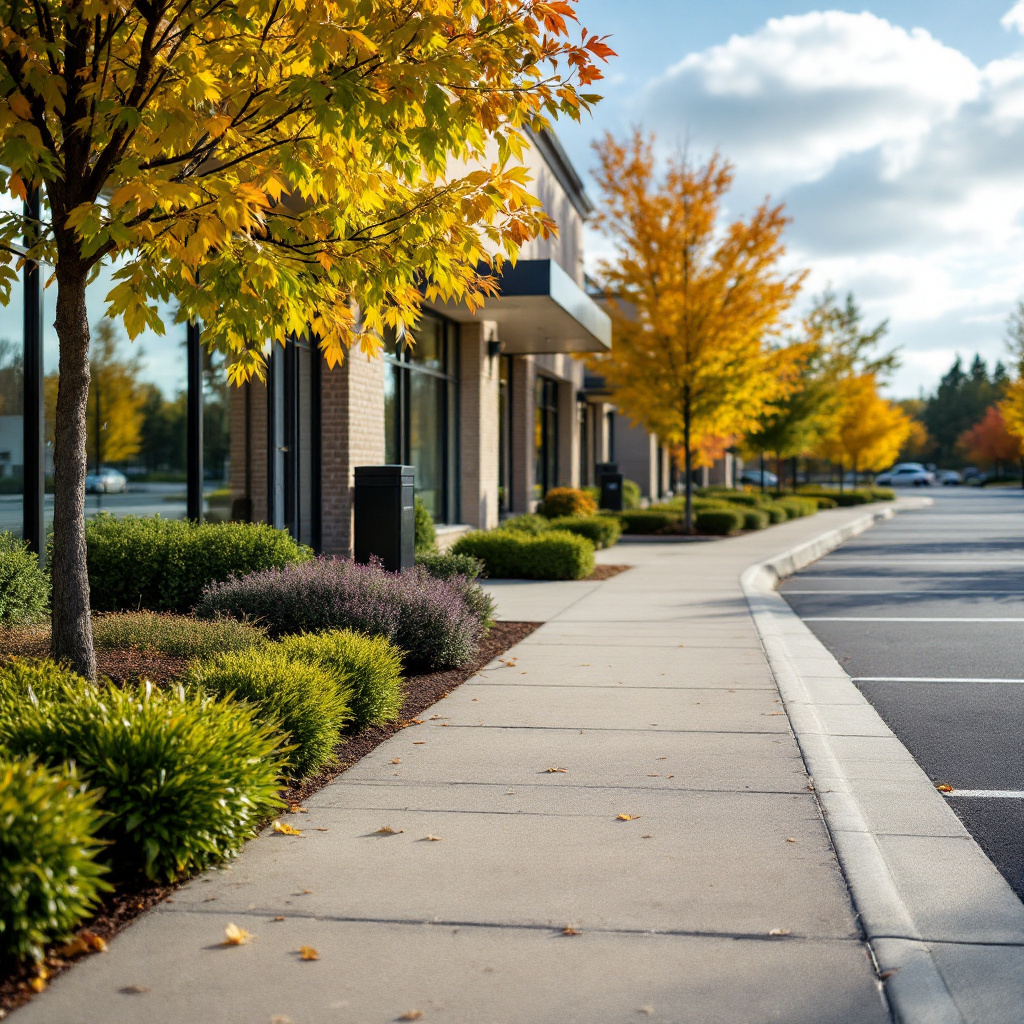
If you’ve been searching for in ground garden ideas, you're likely trying to improve how your property looks and functions. But there’s a key distinction that often gets overlooked: what works in a residential yard rarely holds up on commercial properties. At a commercial scale, landscaping decisions are shaped by heavy foot traffic, liability concerns, long-term landscape maintenance, and how the space reflects your business to tenants, customers, and clients.
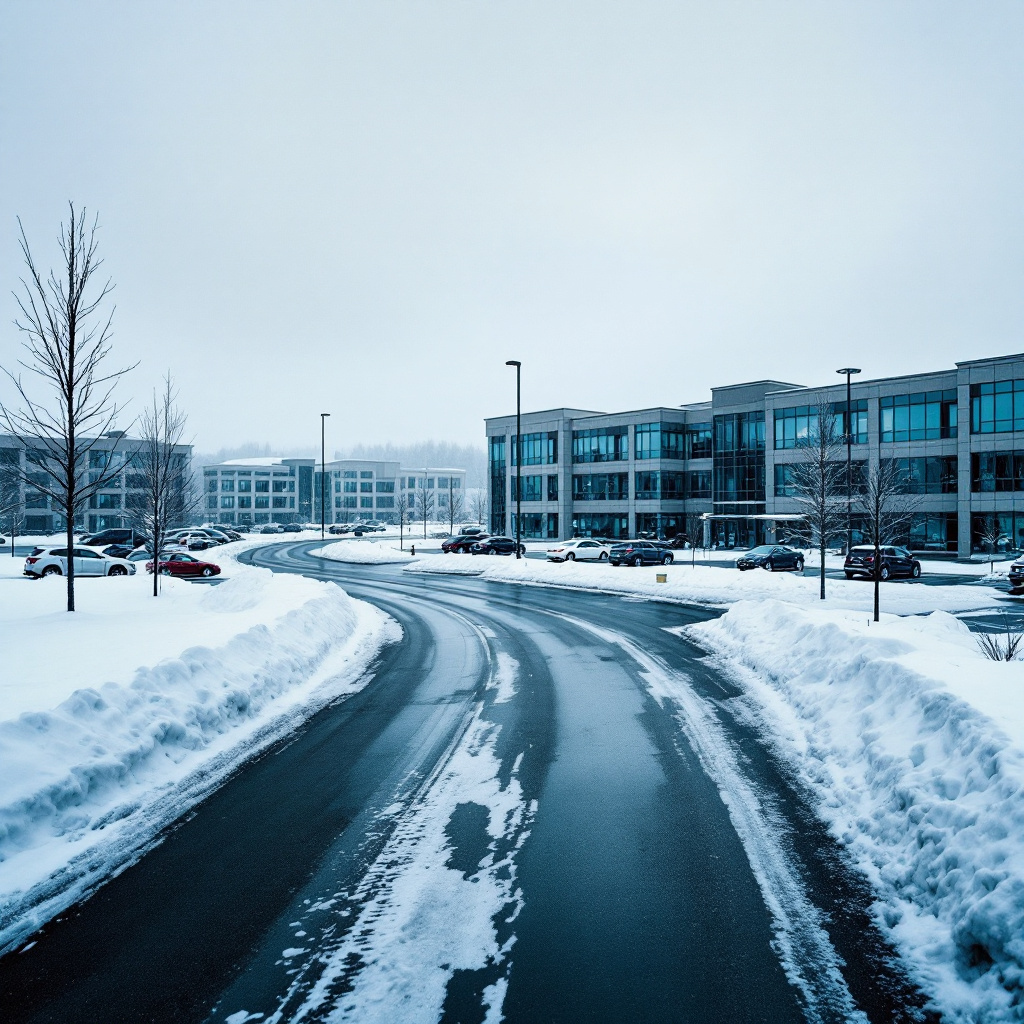
In a commercial setting, “in ground” doesn't just mean planting directly into soil. It refers to permanent plant beds, integrated greenery, and structured outdoor spaces that work alongside walkways, pavers, and other hardscaping features. These spaces must align with how people move through the property, comply with safety standards, and remain visually consistent across seasons. That’s where many standard landscape ideas fall short—they don’t account for Minnesota’s freeze-thaw cycles, salt exposure from winter de-icing, or the pressure placed on blooming plants near high-traffic areas.
According to the National Association of Landscape Professionals, well-maintained commercial landscapes can contribute to higher rental rates and stronger tenant retention—making thoughtful in ground commercial landscaping ideas more than just a visual upgrade. The most effective designs prioritize durability, low maintenance, and adaptability first. From there, visual appeal follows. In the sections ahead, we’ll break down what actually works—from plant selection and flower beds to ground cover, hardscape integration, and how professional planning brings it all together.
Key Takeaways
- In ground garden ideas for commercial properties must prioritize durability, safety, and maintenance—not just appearance.
- Successful designs integrate plant beds with walkways, hardscape, and real-world traffic flow across the property.
- Minnesota's climate and commercial use demand low maintenance, climate-tolerant planting strategies supported by professional planning.
Designing In Ground Plant Beds That Hold Up to Commercial Use
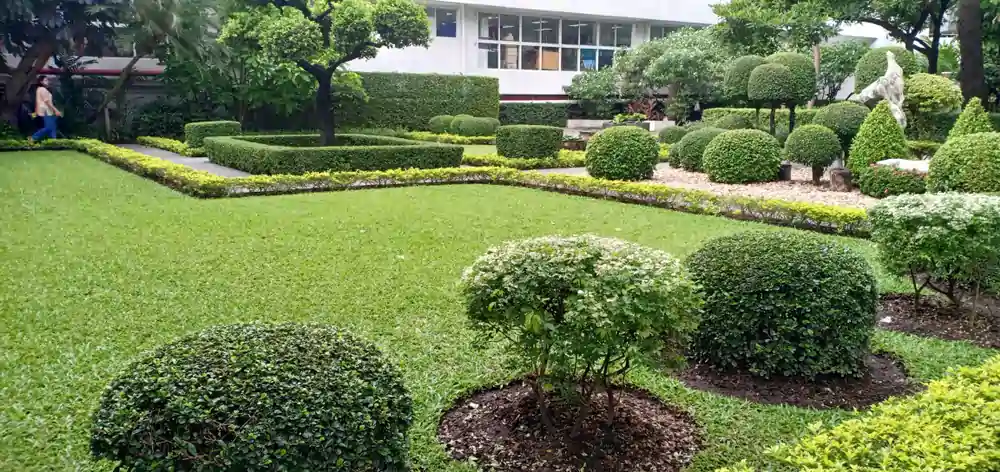
Strong in ground garden ideas for commercial properties come down to two things: selecting the right plants and structuring plant beds in a way that holds up under real-world use. It’s not just about what looks good on day one—it’s about what still looks clean, healthy, and intentional after a full season of weather, foot traffic, and routine landscape maintenance.Choosing Plants That Survive Commercial Conditions
Plant selection is the single most important decision in any commercial landscape design. Choose poorly, and even the best layout will struggle. Choose well, and the exterior of your property becomes far easier to manage within a professional maintenance plan. The best in ground garden ideas rely on plants that can handle harsh conditions, adapt to Minnesota’s growing zone (3b–5a), and stay consistent without constant attention.
For commercial properties, the right plants share a few traits: they're drought-tolerant once established, resistant to edge pressure from heavy foot traffic, and don’t require frequent pruning or replacement. These are the types of plants that support long-term low maintenance performance.
|
Plant Type |
Commercial Benefit |
Minnesota Suitability |
|
Native perennials |
Adapted to local soil and climate, require minimal intervention, support sustainable landscapes |
Well-suited for freeze-thaw cycles and short growing seasons |
|
Ornamental trees and shrubs |
Provide structure, year-round presence, and define plant beds clearly |
Hardy varieties handle winter stress and temperature swings |
|
Evergreen ground cover |
Fills gaps, suppresses weeds, reduces bare soil, and withstands edge pressure |
Retains foliage through colder months, keeping your landscape aesthetically appealing during the off-season |
|
Hardy flowering plants |
Add seasonal colors that are easy to take care of; consistent visual interest |
Varieties like black-eyed Susan tolerate frost and variable conditions |
Structuring Plant Beds for Appearance and Maintenance Efficiency
Even the best plant selection won't perform well if the flower beds themselves aren’t structured properly. On commercial sites, the layout and edges of a bed often matter more than the individual plants inside it. Clean structure is what keeps a landscape looking tidy between service visits.
Four principles guide effective commercial plant bed design processes:
- Defined Edging: Clear borders between turf, walkway, or pavement prevent grass encroachment and reduce constant rework.
- Consistent Mulch Layer: A uniform layer of mulch helps retain moisture, suppresses weeds, and keeps beds visually consistent across large areas.
- Bed Shape That Matches Traffic Flow: Layouts should follow how people move through the space, avoiding shortcuts that cut through planted areas.
- Accessible Bed Width: Beds should be wide enough for plant growth but narrow enough for crews to maintain without stepping into them.
Ground Cover as an In Ground Garden Strategy for Commercial Properties
On most commercial properties, there's simply more landscape area than traditional plant beds can realistically fill with shrubs and flowering plants alone. That's where ground cover becomes one of the most practical and overlooked in ground garden ideas. Instead of leaving exposed soil or relying entirely on turf, ground cover creates a consistent layer of foliage that ties the entire outdoor space together.
In commercial settings, ground cover does more than fill space. It helps suppress weeds naturally, reducing the need for constant intervention. It also stabilizes soil on slopes, preventing erosion in areas where standard planting struggles to hold. Along edges of walkways and high-use zones, many ground cover varieties tolerate light foot traffic better than traditional grass, making them a more reliable choice for high-traffic environments.
The most effective options for ground cover for commercial in ground landscaping are evergreen varieties that are suited to Minnesota's climate. These plants maintain lush greenery even when other flower beds go dormant, which is critical for creating a welcoming atmosphere and keeping commercial spaces visually consistent through late fall and early spring. A property with continuous coverage looks maintained year-round, rather than seasonal and inconsistent.
When used intentionally, ground cover becomes part of a layered design—low-growing coverage at the base, perennials and shrubs adding structure above it. This approach creates a natural look that is both visually appealing and low maintenance, helping property managers maintain a clean, professional landscape without constant upkeep.
Hardscaping Elements That Make In Ground Gardens Work Commercially
Even the strongest in ground garden ideas won’t hold up on a commercial property without the right hardscaping in place. Plant beds on their own are vulnerable—without structure, they get worn down by foot traffic, lose their shape, and quickly start to look unmaintained. In a well-designed commercial landscape, hardscape elements act as the framework that protects planting areas while making the entire outdoor space functional and easy to navigate.
This isn’t just about appearance. Research shows that well-integrated hardscape and landscape design can improve tenant satisfaction and overall property perception—making hardscaping features a practical investment, not just a visual upgrade.
Here are the key hardscaping elements for commercial in ground garden design that make the difference:
- Defined Walkways and Pavers: A properly planned walkway system directs movement across the property, keeping people out of plant beds and reducing damage from withstanding heavy use constantly. Paver paths also create a clean, structured look that holds up over time.
- Retaining Walls for Structure and Stability: Retaining walls help manage elevation changes, prevent soil erosion, and create usable planting zones on sloped areas. They also add depth and structure to the overall landscape.
- Pathway Lighting and Uplighting: Strategic pathway lighting improves safety after dark while highlighting key landscape features. Uplighting can enhance flowering trees, shrubs, colorful flowers, and architectural elements, making the landscape feel impactful even into evening hours.
- Patio and Seating Integration: In office parks and corporate campuses, a patio connected to surrounding greenery helps you create a functional outdoor area. These spaces encourage use while reinforcing a welcoming, well-designed environment.
- Defined Borders and Edging: Clean borders using stone or hardscape materials clearly separate planting areas from turf or pavement. This reduces maintenance effort and keeps the landscape looking organized between service visits.
When hardscaping and planting are designed together, the result is a system that works. The hardscape controls movement and structure, while the in-ground garden provides lush greenery and visual interest. One without the other rarely performs well in a commercial setting.
How Professional Planning Turns Garden Ideas Into a Commercial Landscape That Lasts
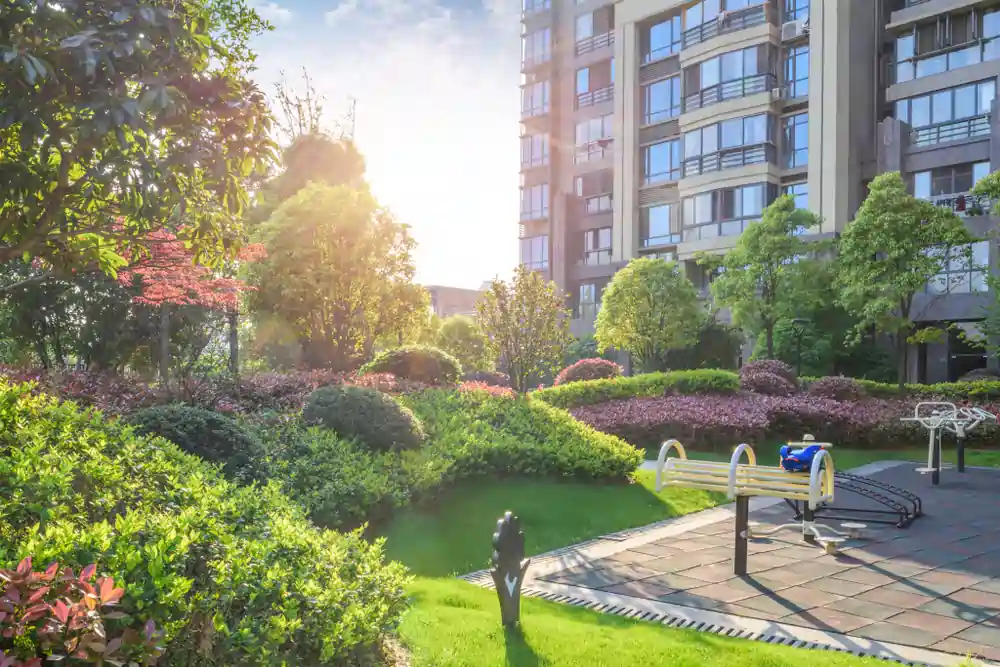
Most in ground garden ideas don’t fail because the ideas themselves are bad—they fail because the planning behind them is incomplete. A bed might look great at installation, but without the right foundation, it won’t hold up through changing seasons, heavy foot traffic, or shifting soil conditions. That’s where professional commercial landscape design services make the difference.
A well-executed commercial plan starts with a full site assessment. That includes evaluating sun exposure, drainage patterns, and how people actually move through the outdoor space. From there, landscape professionals match the right plants to those conditions—plants that can handle the local climate, resist stress, and stay consistent without constant replacement. Irrigation systems are then designed to support plant health efficiently, while ongoing landscape maintenance ensures everything continues to perform as intended.
Without that structure, even a visually strong concept can break down quickly—uneven growth, water issues, and declining curb appeal all follow. With it, you get a well-designed landscape that stays clean, functional, and visually appealing across every season.
There’s also a practical advantage in working with one partner who understands the property from the start. When the same team manages planning and long-term care, nothing gets lost between seasons or service cycles. That continuity is what keeps a good commercial landscape design performing year after year.
For commercial landscaping for your business in the Twin Cities Metro, Twin City Outdoor Services (TCOS) brings over 30 years of experience managing properties through Minnesota’s toughest conditions. If you’re ready to move from ideas to a landscape that actually lasts, request a free consultation to get started.