


Every winter, the same thing happens to certain commercial landscapes across the Twin Cities: the de-icing that keeps walkways and parking lots safe also damages the turf, shrubs and trees planted right next to them. By spring, property managers are looking at brown turf strips along sidewalks, stressed shrubs near entrances, and dead patches where snow was piled all winter. Most of this damage is predictable, and most of it is preventable with the right plan going into the season.
Here is what causes winter salt and snow damage to a commercial landscape, what can be done about it now, and what to check for once spring arrives.
Why De-Icing Salt Damages Landscaping
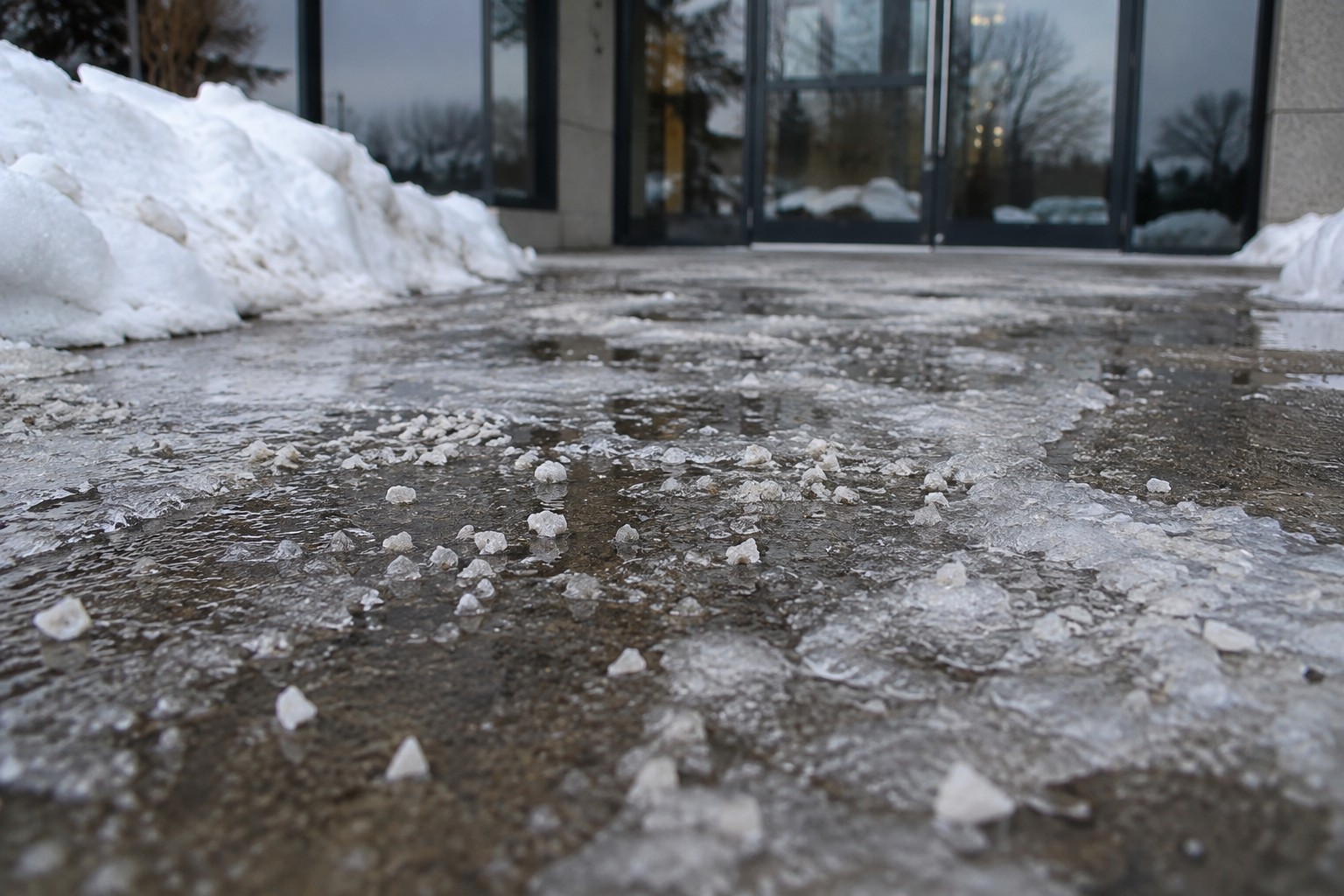
Salt applied to walkways and parking lots does not stay where it is applied. Splash from passing vehicles, foot traffic tracking it off the pavement, and snowmelt carrying dissolved salt into the soil all move it into the root zone of nearby turf and plants. Once in the soil, salt draws moisture away from plant roots the same way it keeps ice from forming, which is exactly the problem: the same chemical property that makes it effective as a de-icer makes it harmful to anything growing nearby. The turf strips closest to a heavily salted walkway or curb line are almost always the first to show damage, showing up as browning that looks like drought stress but doesn't respond to watering.
Where Salt Damage Shows Up First
- Turf within a few feet of walkways, curbs and parking lot edges, where salt spray and runoff concentrate
- Shrubs planted near building entrances, especially evergreens, which can show browning or needle drop by late winter
- Low spots where snowmelt collects, since dissolved salt settles wherever meltwater pools
- Areas beneath snow piles, where compacted, salt-laden snow sits on turf for weeks at a time
Where Snow Storage Causes Its Own Damage
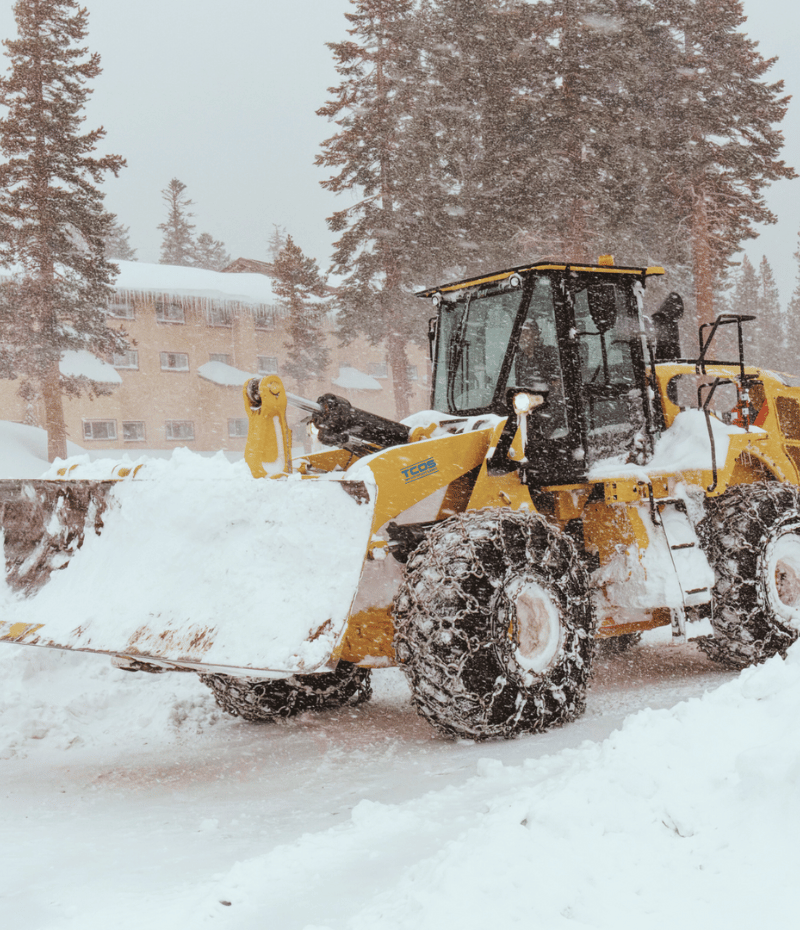
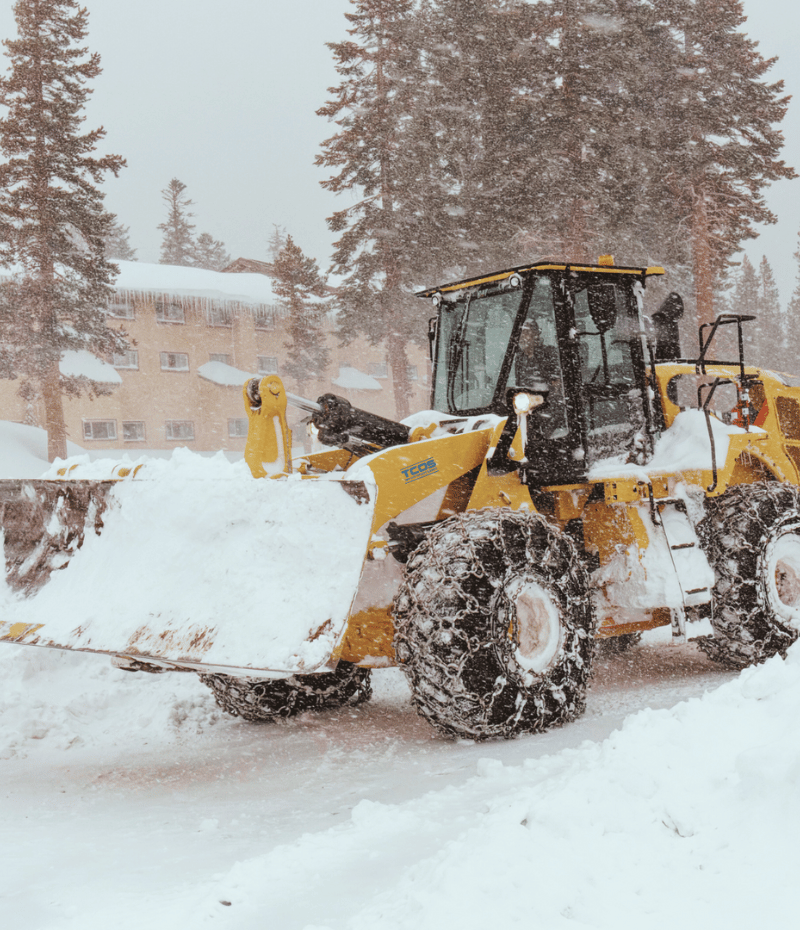
Separate from salt, the physical weight and duration of a snow pile causes damage on its own. Turf buried under a snow pile for weeks loses oxygen and can develop snow mold by spring. A snow storage location chosen without thinking about what's underneath it, a planting bed, a young tree, a stretch of turf meant to be a focal point, can turn one winter's convenient pile location into a spring repair project. This is one reason a pre-season walkthrough with a vendor should include snow storage planning, not just plowing routes.

A Property Manager's Winter Protection Checklist
- Map the salt-sensitive zones on the property. Walkway edges, entrance plantings and low spots where meltwater collects are the areas to watch.
- Confirm the de-icing approach follows Smart Salting practices. The right material and application rate for the surface and temperature reduces excess salt reaching nearby soil, without compromising walkway safety.
- Choose snow storage locations deliberately. Pile snow away from high-value plantings and turf areas where it will sit for weeks, not wherever is most convenient for a plow route.
- Use salt-tolerant plant selections near walkways and entrances when replacing damaged plantings. Certain shrub and perennial varieties handle roadside salt exposure far better than others.
- Plan a spring soil flush for the worst-affected areas. Watering salt-affected soil thoroughly once temperatures warm helps move residual salt below the root zone before new growth starts.
- Inspect in early spring, not after full green-up. Salt damage is easier to address early, before a full season of growth has already been lost on affected turf and plantings.
Which Plantings Hold Up Best Near Salted Walkways?
Not every plant reacts to salt exposure the same way, which matters when a property is replacing turf or shrubs damaged by a prior winter. Turf blends with a higher tolerance for salt exposure hold up noticeably better along walkway edges than standard lawn mixes. Among shrubs, some evergreen varieties are far more sensitive to roadside and walkway salt spray than deciduous shrubs, which is why a stretch of evergreens planted directly against a heavily salted walkway is often the first thing a property manager sees browning out by late winter. When a landscape crew is replacing damaged plantings in a known high-exposure area, selecting varieties with better salt tolerance for that specific spot, rather than simply replacing like for like, reduces how often that same bed needs rework.
What Should Happen in Early Spring?
As snow melts, a walkthrough of the property identifies which areas took the most salt exposure and which snow storage spots caused physical damage underneath. Turf in the worst-hit zones often needs overseeding rather than a wait-and-see approach, and shrubs showing dieback need pruning back to healthy wood once new growth shows where that is. Catching this in April, rather than waiting to see what recovers on its own by June, gives a property the best chance of a full season of healthy growth instead of a visibly damaged strip along every walkway for half the year.
Why This Is a Snow-and-Landscape Problem, Not Just a Landscape Problem
The damage shows up in the landscape budget, but the decisions that cause or prevent it happen on the snow and ice side: how much salt is applied, where it's applied, and where snow gets piled. A property working with separate vendors for snow and landscaping often has no one connecting those decisions, so the landscape crew is left repairing damage every spring that the snow crew's choices created every winter. A single vendor managing both sees the whole picture and can make snow season decisions, like where to pile and how to apply de-icer, with the landscape budget in mind.
Frequently Asked Questions
Can salt damage to commercial turf be prevented entirely?
Not entirely, since de-icing is necessary for walkway and parking lot safety, but following Smart Salting practices and planning snow storage locations deliberately significantly reduces how much damage shows up by spring.
How soon does salt damage show up on turf and plantings?
Some damage is visible by late winter, especially on evergreen shrubs, but the full extent is usually clearest in early spring once snow melts and turf either greens up or shows browning that doesn't recover with watering.
Should snow storage locations change every year?
They should be reviewed every year, since a location that worked for one winter can cause repeat damage if the same planting bed or turf area takes the weight of a snow pile multiple seasons in a row.
Does the strategy of having one vendor handle both snow and landscaping actually reduce spring damage?
Yes. When the same vendor manages salt application, snow storage and spring landscape recovery, winter decisions get made with the landscape in mind rather than as two disconnected services.
Twin Cities property managers can reach TCOS at tcoscorp.com/contact or (763) 235-2400 to review a property's snow storage plan and salt-sensitive areas before the next storm.
Talk to TCOS about your property
Ready to plan the season? Contact TCOS, email [email protected] or call 763-235-2400.