



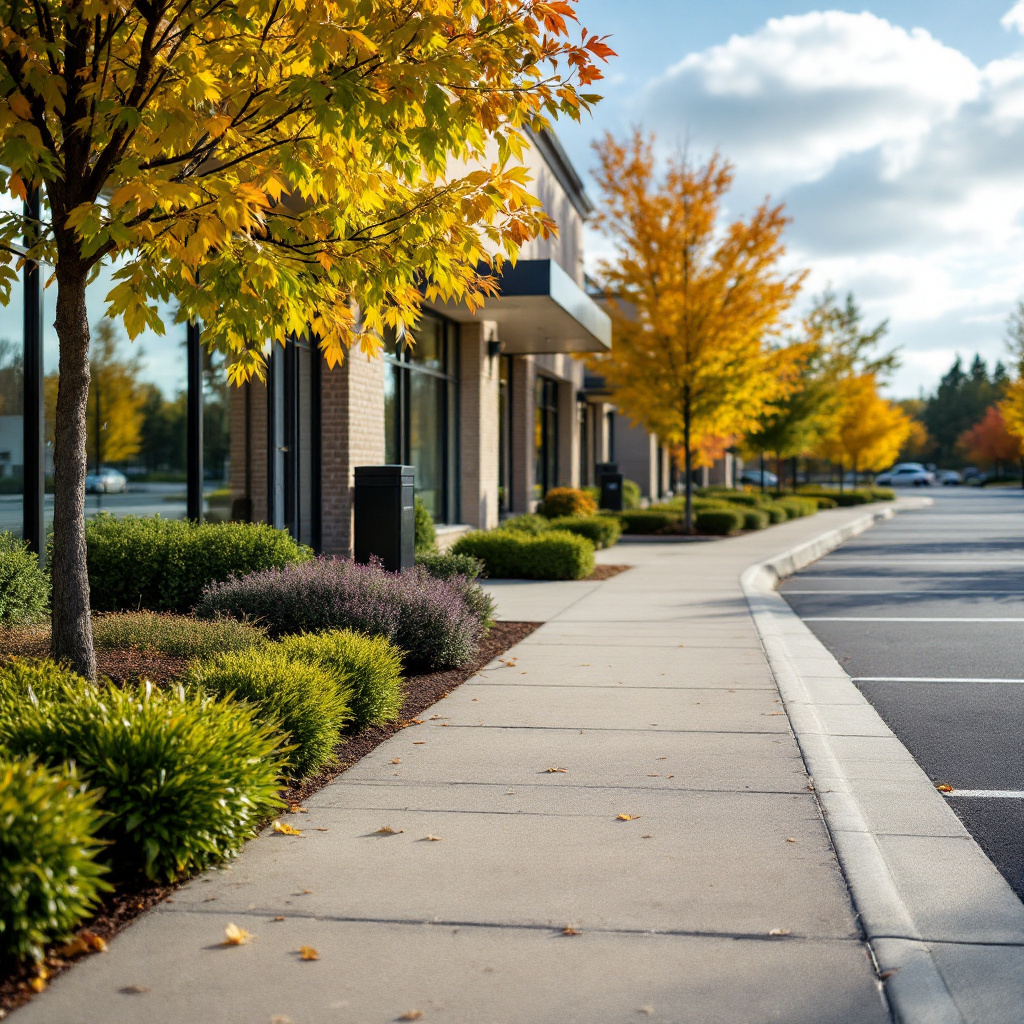
A landscape that constantly needs repairs, replanting, and extra attention can drain time and budget fast. Commercial landscaping low maintenance designs help solve that by creating outdoor spaces that stay attractive, functional, and easier to manage throughout the year. For commercial spaces, that means choosing the right plants, smarter layouts, durable materials and planters, and efficient irrigation systems that reduce unnecessary upkeep without sacrificing curb appeal.
In this guide, you'll learn how to build a low-maintenance commercial landscape that beautifies your business property and supports your business image, handles daily use, and performs well in changing Minnesota conditions. We'll cover practical planting strategies, hardscaping choices, water-saving upgrades, and design decisions that help reduce maintenance while keeping your property's outdoor environment polished for customers and clients.
Key Takeaways
- The right mix of native plants, hardy shrubs, mulch, and smart layout choices can lower routine landscape maintenance needs.
- Hardscaping, pavers, walkways, and irrigation systems help create cleaner, more efficient commercial outdoor spaces for customers.
- Thoughtful commercial landscape design ideas can improve first impressions, protect plant health, and save you time long term.
Why Low-Maintenance Commercial Landscape Design Is a Strategic Decision, Not Just an Aesthetic One
Most property managers searching for better landscaping solutions are reacting to the same problems: too many service calls, recurring plant issues, uneven annual or seasonal appearance, and a property that seems to need constant attention. That’s exactly where low maintenance design for commercial landscaping becomes valuable. It is not about cutting corners or simply doing less work. It is about making smarter decisions upfront, so the landscape needs less intervention over time.
A true low maintenance landscape is shaped by choices made long before the first plant goes in the ground. Plant selection, plant bed layout, drainage planning, irrigation systems, mulch use, and hardscape materials all influence how much ongoing landscape maintenance the property will require. When these elements are planned correctly, the landscape stays cleaner, healthier, and more consistent with fewer reactive fixes.
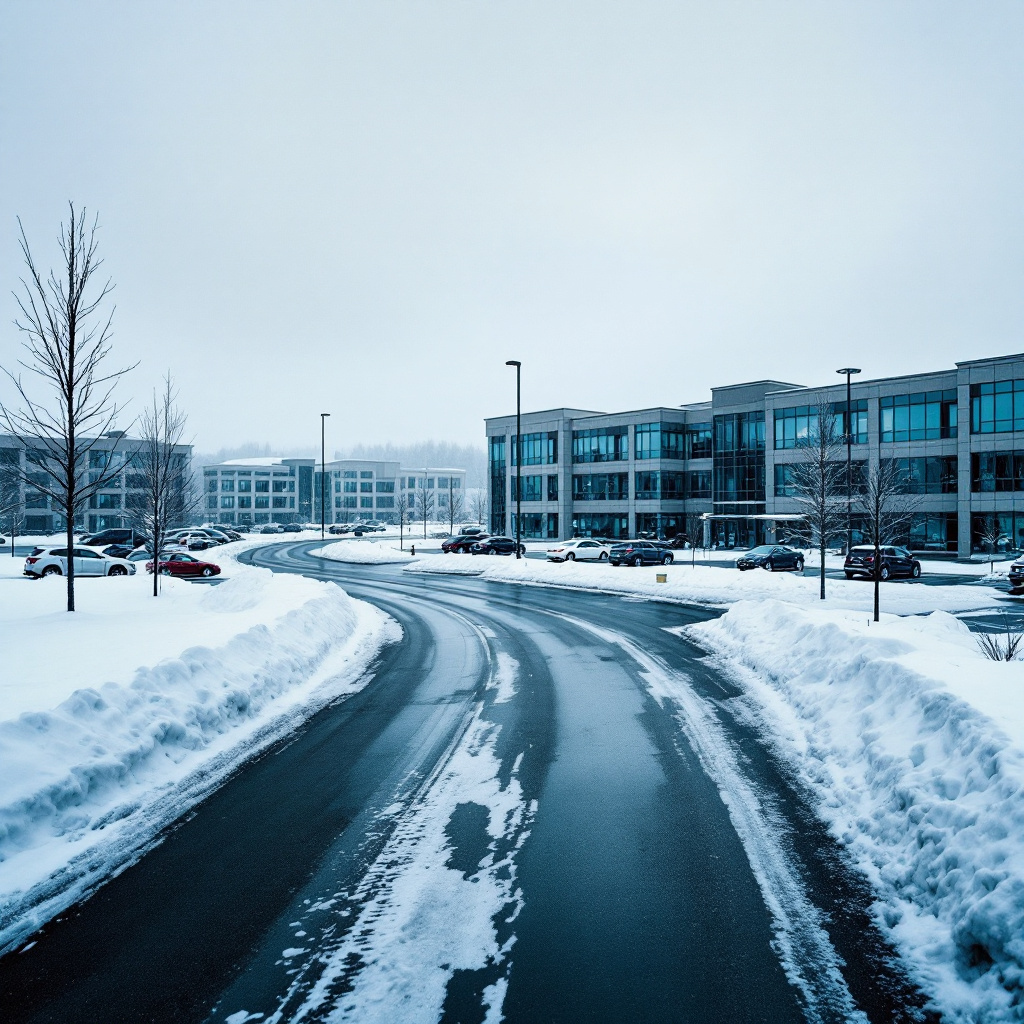
This matters even more for commercial spaces in Minnesota. Freeze-thaw cycles can shift soil and edging, winter salt runoff can stress sensitive plant materials, and short growing seasons leave less room for recovery when landscapes struggle. If a site is designed without accounting for those conditions, even strong grounds maintenance crews spend their time correcting preventable issues instead of improving the property.
For facility directors and property managers, that means low maintenance landscaping design is really an operations decision. It protects landscape investment, helps maintenance resources go further, and creates a more reliable exterior presence year-round. Next, we’ll look at the specific design choices that make that possible.
Choosing the Right Plants Is the Highest-Leverage Low-Maintenance Decision
No design choice affects long-term upkeep more than plant selection. For commercial properties, the wrong plants create endless pruning, replacement, watering, and seasonal cleanup. The right mix does the opposite. In Minnesota, successful low-maintenance commercial landscape design starts with plants that can handle cold winters, salt exposure, and changing seasonal conditions, not just what looks eye-catching in a catalog.
Native and Hardy Plants That Thrive in Minnesota's Commercial Conditions
If the goal is lower upkeep and a professional appearance, low-maintenance plants for commercial landscapes should be the first priority. Once established, plants adapted to Minnesota conditions typically need less supplemental water, fewer inputs, and less corrective care than species selected only for appearance. That makes them a smart fit for entrances, parking perimeters, and large shared landscape beds.
The most reliable choices are usually native plants, cold-hardy perennials, durable shrubs, and structural grasses that perform well in Minnesota. Choosing the correct plant early often prevents years of unnecessary maintenance.
| Plant Category | Low-Maintenance Benefit | Minnesota Hardiness |
| Native perennials (black-eyed Susan, coneflower) | Return each season, support pollinators, limited replanting needs | Well-suited to Minnesota winters and seasonal swings |
| Hardy evergreen trees, berry shrubs, and screening plants | Year-round structure, screening, modest maintenance needs | Many varieties perform well when matched to site exposure |
| Ornamental grasses | Strong texture, drought tolerant plant once established, seasonal interest | Many hardy selections tolerate cold and wind |
| Drought-tolerant ground cover | Fills open soil, helps suppress weeds, reduces bare patches | Good options available for cold climates |
Plants near walkways and parking lots also need to tolerate winter runoff and salt splash. Selecting tougher species in those zones helps reduce spring replacements and keeps the commercial landscape looking consistent.
Snow, Salt, and Sightlines: Plant Placement Best Practices for Minnesota Commercial Properties
Even the best plant palette can fail if placement is wrong. For Minnesota sites, placement often matters as much as choosing plants and trees. Sensitive planting placed where snow piles accumulate, salt runoff drains, or visibility must stay clear will create recurring maintenance issues.
Snow storage areas should be identified before installation. Locations where plows push snow or where meltwater pools can damage roots, compact soil, and delay spring recovery. Those areas are better suited for rugged materials, turf alternatives, or especially hardy plantings.
Salt exposure is another common problem. Beds near treated sidewalks, drive lanes, and parking edges experience winter runoff that stresses many plants. In these zones, salt-tolerant selections that thrive in your area are the better long-term choice.
Sightlines matter too. Plants near entrances, intersections, ADA routes, and parking lot edges should stay within their mature footprint. Oversized shrubs in these areas demand constant pruning and can reduce visibility.
Good low-maintenance designs for commercial landscapes don't just ask what to plant; they ask where each plant can realistically succeed.
Mulch and Irrigation: The Two Systems That Quietly Reduce the Most Maintenance
Some of the best low-maintenance landscaping decisions are the ones people barely notice. Mulch and irrigation are perfect examples. They are not just routine maintenance items; they are foundational systems that reduce the workload of nearly every other part of the commercial landscape. When installed and managed properly, they help beds stay cleaner, plants stay healthier, and crews spend less time correcting preventable problems.
A strong mulch layer suppresses weeds, which remains one of the most labor-intensive recurring tasks in planted areas. It also helps lock in moisture, reducing how often soil dries out during warm weather, while insulating roots during Minnesota’s freeze-thaw transitions.
Mulch Benefits
- Maintain a consistent 2–3 inch depth across landscape beds to help suppress weeds while allowing air and water movement around roots.
- Refresh mulch seasonally, often in spring, to restore coverage and immediately spruce up the appearance of the property.
- Retain moisture in the soil, helping plants stay stable during dry periods and reducing stress between watering cycles.
- Moderate soil temperature, helping root systems handle seasonal temperature swings more effectively.
- Organic mulch breaks down gradually, adding organic matter that can support soil structure over time.
Good irrigation systems work the same way: they quietly prevent larger maintenance issues. Inconsistent watering often leads to weak growth, disease pressure, and plant replacement.
Irrigation Benefits
- Drip irrigation delivers water closer to root zones, which can help plants need less water than broad spray coverage in many bed areas.
- Smart irrigation controllers adjust schedules based on rainfall and weather conditions, reducing unnecessary watering and manual oversight.
- Targeted watering supports stronger plant health, which means less corrective pruning and replacement.
- Reduced runoff helps keep walkways, pavers, and surrounding hardscape cleaner.
- Well-managed irrigation is one of the most reliable ways to reduce maintenance across the entire landscape.
Hardscaping as a Commercial Landscaping Low Maintenance Design Strategy
Some of the most expensive landscape features and areas to maintain are also the ones under the most pressure, such as entry zones, walkway edges, parking perimeters, and worn turf paths. Grass in these locations often struggles under constant use, requiring repeated repair, irrigation, and seasonal recovery. That’s where hardscaping becomes a smart design strategy. Instead of forcing plants or turf to perform where conditions work against them, hardscape materials create durable, functional spaces that demand far less attention.
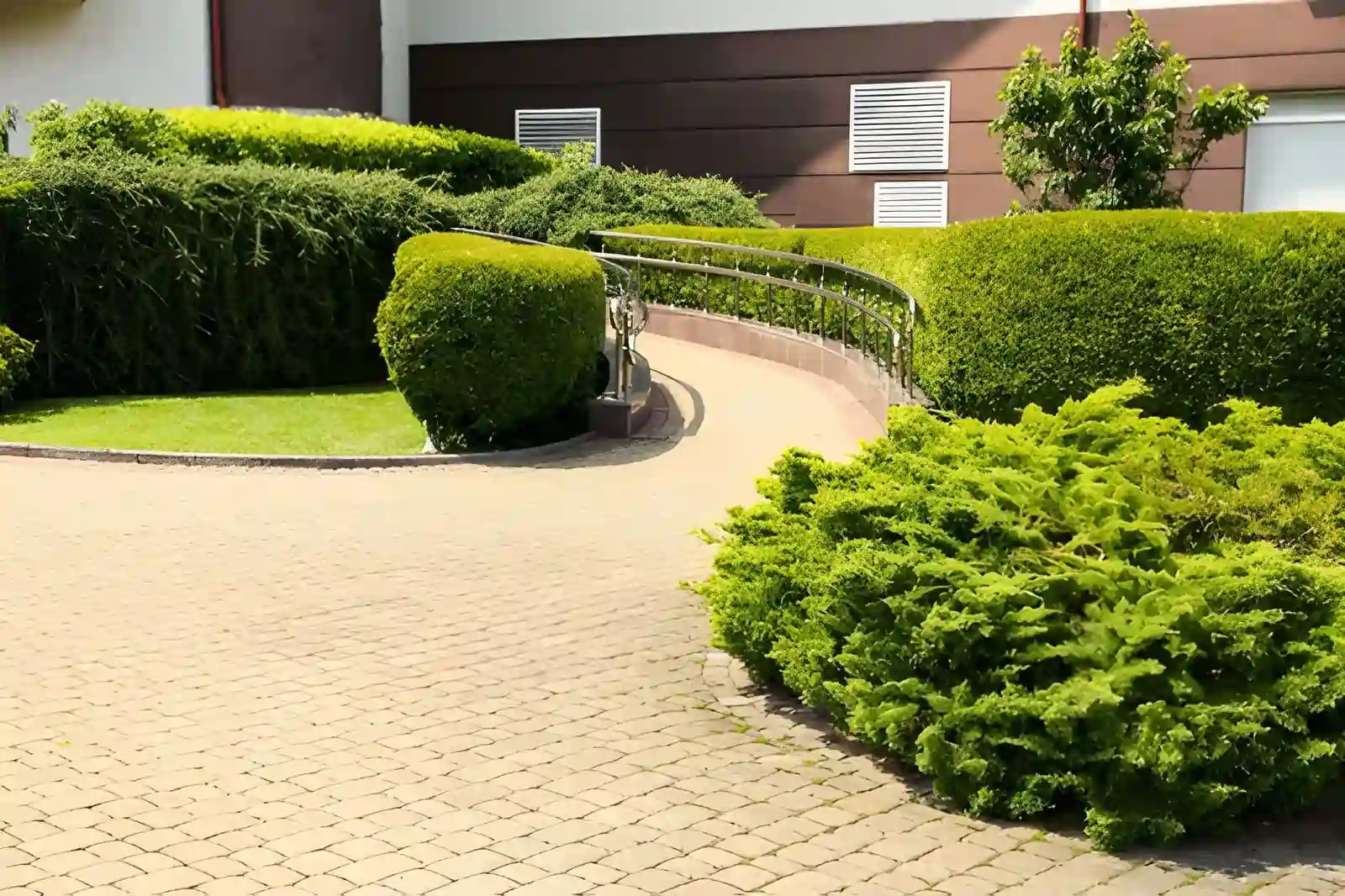
For many commercial properties, the best low-maintenance alternative to grass in high-traffic zones is a combination of paver, gravel, or other stable surfaces. These materials do not need mowing, watering, or routine replanting, yet they still contribute to a clean, professional appearance.
Hardscape Elements That Reduce Maintenance
- Pavers in Entry and Traffic Areas: Installing paver surfaces near entrances, loading areas, or parking transitions creates a durable finish that handles heavy use and typically needs only periodic cleaning and joint maintenance.
- Gravel in Low-Use Zones: Decorative gravel or stone works well in narrow side yards, utility areas, or spaces between building features. It helps reduce bare soil, limits weed pressure when properly installed, and keeps the area visually clean.
- Retaining Walls on Slopes: Retaining walls stabilize grades that might otherwise erode during heavy rain or spring snowmelt. They also create structured planting terraces that require minimal upkeep.
- Defined Walkways: A clear walkway network guides foot traffic where it should go, protecting nearby planting beds from compaction and damage while improving site flow.
- Landscape Lighting and Seating Areas: Well-placed landscape lighting extends a property's professional appearance after dark. Adding an outdoor seating area or bench can also make office parks and shared spaces more usable.
Used strategically, hardscape features do more than fill space; they remove recurring maintenance burdens while adding long-term structure and function to the landscape.
How a Professional Commercial Landscape Plan Locks In Long-Term Low-Maintenance Results
Many recurring landscape problems are not maintenance failures. They’re planning failures that were never corrected. A property may look acceptable right after installation, yet over time, the same issues return: stressed plants, drainage trouble, worn turf, overgrown sightlines, and constant reactive service calls. Strong commercial landscape design prevents those problems before they become part of the routine.
A professional plan starts with site analysis. Sun exposure, soil conditions, drainage flow, traffic patterns, and winter stress zones all shape which plants and materials belong on the property. That information guides plant selection, hardscaping, and irrigation systems so each part of the landscape supports the others instead of working against them.
It also includes seasonal scheduling. In Minnesota, landscapes need different attention at different times of year, such as spring cleanup and startup, summer monitoring, fall preparation, and winter protection. Without that structure, even a smart design can lose performance and ambiance quickly.
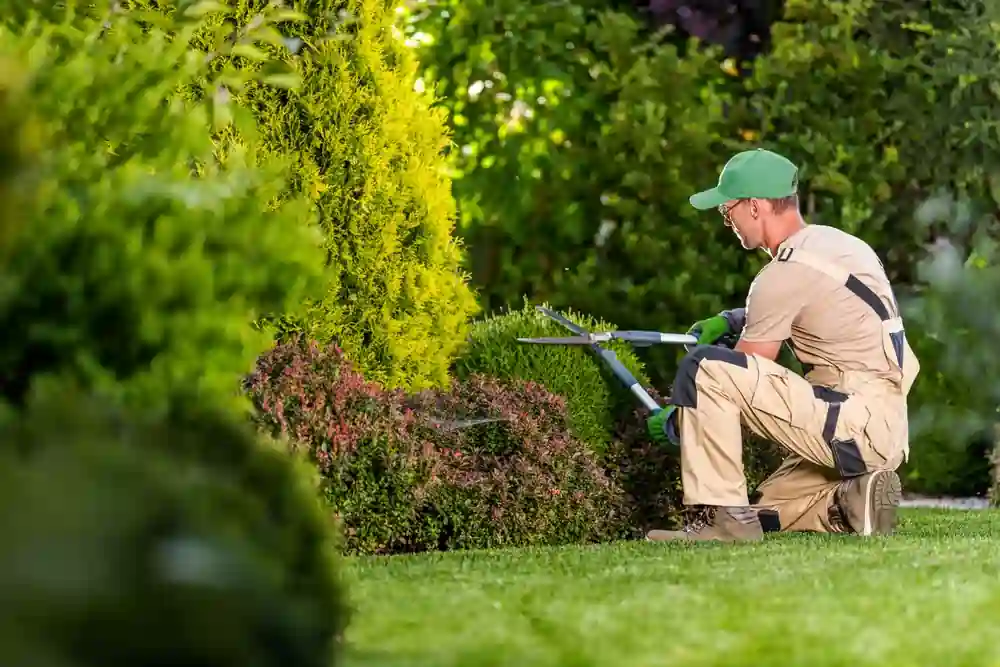
Consistency matters just as much as design. When one landscape contractor plans the landscaping project and another team inherits it later, important details are often lost: what was planted, why certain areas need special attention, where drainage issues begin, or how traffic patterns affect wear. A reliable partner who manages ongoing commercial landscape maintenance helps preserve those decisions and reduce avoidable problems.
For three decades, Twin City Outdoor Services (TCOS) has supported commercial properties across the Twin Cities Metro with year-round maintenance services, GPS-tracked accountability, and experienced crews who understand Minnesota conditions. If you want a landscape that truly helps save you time and requires less intervention over the long term, request a grounds maintenance consultation with our landscaping experts.
Frequently Asked Questions About Low Maintenance Commercial Landscaping Ideas
What is low-maintenance commercial landscaping?
Low-maintenance commercial landscaping is a design approach, not a reduced service standard. It uses smart upfront decisions such as choosing durable, low maintenance plants, improving bed layout, integrating irrigation systems, and using strategic hardscaping to lower the amount of labor, water, and corrective work needed to keep a commercial landscape looking professional over time.How do I reduce my commercial landscaping maintenance costs?
The most effective way to reduce ongoing maintenance demand is through better design choices, not just lower service bids. Using native plants, durable shrubs, mulch, efficient irrigation, and replacing worn turf in high-traffic areas with hardscape surfaces can significantly reduce recurring tasks like mowing, replanting, watering, and weed control. A well-planned landscape redesign often creates more lasting value than short-term cuts.Does low-maintenance landscaping actually look professional for commercial properties?
Yes. In many cases, a well-designed low-maintenance commercial landscape looks more polished year-round than a high-maintenance one. Evergreen structure, blooming foliage, dark green leaves, clean bed lines, consistent mulch coverage, and defined walkways create a stable appearance that doesn't rely on constant seasonal changeouts or frequent repairs. Strong design with healthy greenery often delivers a better first impression than overcomplicated landscapes.What hardscaping ideas work best for commercial properties?
The most practical hardscaping ideas for commercial sites often include paver entry zones, defined walkway systems, gravel in low-use areas, retaining walls on slopes, and landscape lighting near entrances and paths. These features are durable, functional, and generally require minimal effort and little maintenance compared to turf or fragile planting areas in the same locations.How often does a low-maintenance commercial landscape still need professional care?
Low-maintenance does not mean “no maintenance”. It means fewer surprises and more predictable care. Most properties still benefit from professional commercial lawn care and landscape maintenance that covers spring cleanup, summer monitoring, pruning as needed, fall preparation, and irrigation adjustments. The exact schedule depends on site size, plant selection, and property use.How does Minnesota's climate specifically affect commercial landscaping decisions?
Minnesota conditions strongly influence plant and material choices. Freeze-thaw cycles can shift soil and edging, winter salt can stress sensitive plants, and the growing season is shorter than in many warmer regions. That's why hardy plants, salt-aware placement, proper drainage, and seasonal irrigation shutdowns are standard best practices for commercial sites in this region.What is the first step in planning a low-maintenance commercial landscape?
The first step is a professional site analysis. Before selecting plants or materials, the property should be evaluated for sun exposure, drainage, soil conditions, traffic patterns, snow storage zones, and runoff areas. This helps ensure the correct plant and the right design are used in the right place. This is one of the most important factors in creating a beautiful yard landscape that truly requires less ongoing attention.