




For commercial properties, the cost for snow removal is more than a seasonal expense — it's part of risk management. Property managers, facility directors, and industrial operators don't just want to know how much snow removal is going to cost. They need to know what drives those snow removal costs, what level of service they're paying for, and how pricing affects safety and liability.
In a commercial setting, snow removal services cover far more than a simple plow pass. Large parking lots, driveways, loading zones, sidewalk snow removal, ice control, and snow accumulation management all influence the total cost of snow removal. In regions like Minnesota, where snowfalls are frequent and snow can build quickly, understanding the costs of removing snow commercially isn't optional — it's essential for keeping operations open and compliant.
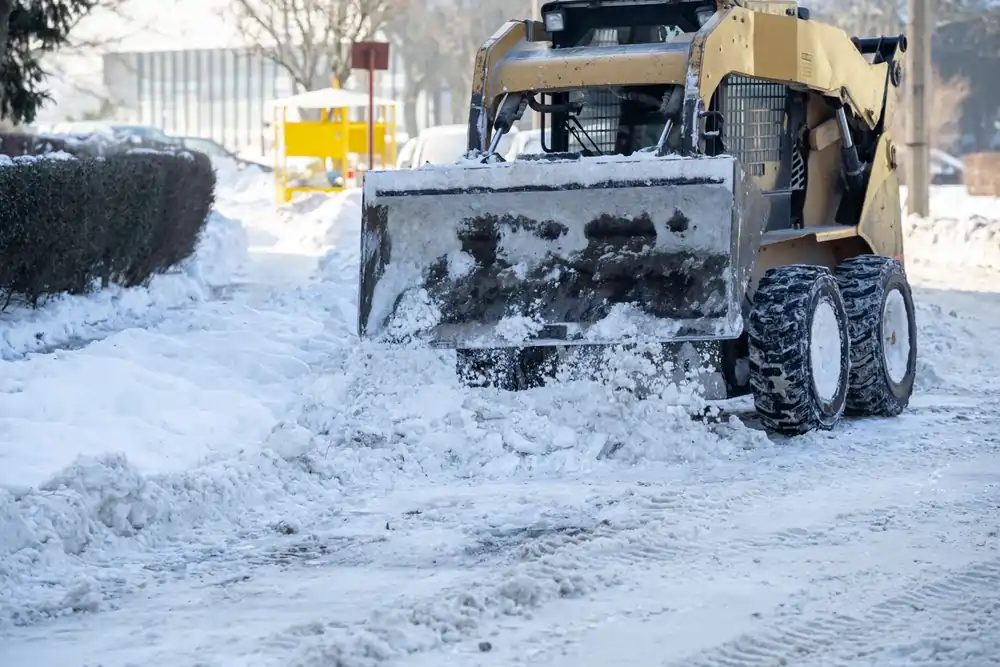
In general, larger commercial properties require more time, labor, and equipment, which increases overall snow removal service costs.
While exact pricing varies, understanding these structures gives you a clearer picture of what to expect and how to evaluate quotes based on your specific snow removal needs.
Key Takeaways
- Understand the Different Pricing Models: Learn about per-visit, seasonal contracts, and hourly pricing to decide which works best for your property.
- Know What Affects Your Costs: Factors like property size, snow volume, and equipment needs significantly impact the snow removal service costs.
- Plan Ahead for Budgeting: Start early by comparing providers, asking for detailed quotes, and considering a seasonal contract to control costs throughout the winter.
Commercial Snow Removal Pricing Models Explained
Commercial snow removal pricing isn't one-size-fits-all. The way a provider structures the cost for snow removal depends on the property type, snow volume, and service expectations. Understanding snow removal costs and pricing models helps you compare quotes accurately, have a clear understanding of how much you should expect to pay, and avoid surprises mid-season.Per-Push Pricing
With per-push pricing, you pay a flat rate each time crews arrive to remove the snow. This fee usually covers clearing parking lots, entrances, driveways, and sidewalks once a trigger depth — often 1 to 3 inches of snow — is reached. The price for snow removal under this model varies by property size. A smaller commercial lot may cost a few hundred dollars per visit, while a large commercial site with multiple access points can have significantly higher typical snow removal expenses. It's straightforward and works well in areas with less frequent snow.Seasonal Contracts
A seasonal contract sets one price for the entire winter. This model spreads snow removal costs across the season and often includes priority service during major snowfalls. For regions with consistent snow accumulation, this approach offers predictable budgeting and reduces the risk of higher snow removal costs during heavy winters.Hourly and Other Models
Some providers charge per hour, especially for complex sites requiring loaders or specialized equipment. Hourly rate pricing is common for snow hauling or zero tolerance properties. Less common models include per square foot or per inch pricing, where charges increase based on the amount of snow or total area cleared.| Pricing Model | How It Works | Typical Use Case |
| Per Visit or Event | Payment for each snowfall | Good for irregular snow seasons |
| Seasonal Contract | One winter price | Great for frequent snow regions |
| Hourly | Based on crew time | Complex jobs with variable duration |
What Is the Average Cost for Commercial Snow Removal?
The cost for snow removal at commercial properties can vary widely depending on several factors, including property size, location, and the type of service required. Instead of focusing on fixed numbers, it’s more useful to understand how snow removal pricing is typically structured and what drives those service costs.Cost by Pricing Model
Commercial snow removal companies usually structure their pricing in a few common ways:- Per-Event/Per-Push Pricing: You pay per visit each time snow is cleared after a snowfall. The total cost depends on how often snow falls, the amount of snow, and how long it takes to remove snow from the property.
- Hourly Pricing: Some services charge per hour, especially for larger or more complex sites. The hourly rate reflects the type of snow removal equipment, crew size, and time required to clear snow efficiently.
- Seasonal Contracts: A seasonal contract covers the full winter period. This approach helps stabilize the total cost of snow removal, especially in areas with frequent snow accumulation or less predictable weather patterns.
Cost by Property Type
The overall snow removal cost is also closely tied to the type and size of your property:| Property Type | Typical Service Considerations |
| Small commercial lot | Fewer surfaces to clear, quicker service per visit |
| Mid-size facility | Multiple access points, sidewalks, and moderate snow management needs |
| Large commercial or industrial site | Extensive parking lots, heavy equipment use, and ongoing snow management |
Major Factors That Drive Costs for Snow Removal
Understanding why snow removal costs vary is crucial for budgeting effectively. Several factors influence the final price, and knowing them helps you make more informed decisions when selecting a provider. Here's what to consider:Property Size & Layout
Larger properties, like industrial campuses or multi-building complexes, require more time and crew members to clear. More space means more areas to cover, including parking lots, driveways, sidewalks, and loading zones, which directly impacts the cost for snow removal.Frequency & Volume of Snow
More snow means more frequent service visits. If your area sees regular snowstorms, you'll likely pay more for snow removal services due to the increased number of service events. Heavy snow accumulation will also drive costs higher, especially if it exceeds typical snowfall amounts.Service Scope
The service complexity will affect costs. A simple plow job is cheaper than a comprehensive snow removal plan that includes salting, snow hauling, and sidewalk and driveway snow removal. Be sure to clarify the scope of services in your contract to avoid surprise charges.Equipment Required
Different properties need different types of snow removal equipment. Larger sites often require heavy-duty machines like loaders or skid steers, which are more expensive to operate than a basic plow truck. The type of machinery used plays a significant role in the snow removal cost.Response Time & Trigger Depth
Some contracts charge based on a trigger depth (e.g., when snow accumulates to 2 inches). Higher trigger depths mean more frequent visits and higher overall costs, while more urgent, priority services for high-traffic areas may also come at a premium.Location & Weather Severity
Local weather patterns can significantly influence snow removal pricing. Areas with harsh winters and frequent snowfalls, like Minnesota, often have higher service costs due to the volume of snow and the need for specialized equipment and expertise. By understanding these pricing drivers, you can better estimate the costs and plan for your property's snow removal needs.Choosing the Right Commercial Snow Removal Contract
When evaluating snow removal services for your commercial property, understanding the details of the contract is key. Here are the main factors to consider before signing on the dotted line:Clear Contract Terms
Ensure the contract specifies the response time (how quickly the team will respond after snowfalls) and trigger depth (how many inches of snow trigger a service visit). Clear terms help avoid misunderstandings during winter storms.Service Inclusions and Exclusions
Check what's included in the price. Does the service cover walkway snow removal? Are icy areas addressed with salting or sand? Some companies charge extra for additional services, so knowing the details upfront helps you avoid hidden fees.Insurance and Liability Coverage
Always confirm if insurance and liability coverage are included. This protects your property from potential damage caused during snow clearing. It's crucial for safety and legal compliance.Equipment and Team Capabilities
Ensure the company has the right snow removal equipment for your needs. Heavy machinery like loaders and skid steers may be required for large sites, while lighter equipment is suitable for smaller lots.Questions to Ask Professionals Before Signing a Contract:
- What is your response time for snow events?
- Does the price include salting and walkway clearing?
- What type of equipment will you use for my property?
- Do you have insurance and liability coverage?
- Can I switch to a seasonal contract if per-event pricing becomes expensive?
Cost vs Value: Why Professional Services Save Money
When it comes to commercial snow removal, opting for professional services isn't just about cost — it's about ensuring long-term savings and minimizing risks.Safety & Liability Protection
Hiring a professional snow removal service helps mitigate the risk of slip-and-fall accidents. These companies are well-equipped to clear snow and ice thoroughly, reducing the chances of injuries. With professionals on the job, you're less likely to face expensive lawsuits or insurance claims due to accidents on your property.Minimizing Business Disruption
Winter storms can halt business operations if your property isn't cleared quickly. Professional snow removal services offer fast, efficient snow plowing and salting, keeping parking lots, walkways, and entrances clear so your business remains operational, even during heavy snowfalls. When time is money, keeping your property accessible without delay can make all the difference.Reliable Equipment & Skilled Crews
Professionals come prepared with the right snow removal equipment — from heavy-duty plows to salt spreaders and loaders. Their skilled crews know how to handle any snow event efficiently, ensuring your property is cleared the first time properly, without the delays or inefficiencies that come with using inadequate equipment or untrained personnel.
By choosing professional services, you're investing in long-term value — minimizing risk, avoiding costly delays, and ensuring efficient snow removal that keeps your business running all winter smoothly.