




If you've ever stood in the hardware store staring at bags of rock salt, calcium chloride, and other ice melt products, you know the choice isn't as simple as it looks. Figuring out what salt to use for snow depends on the temperature, the surface you're treating, and how you want to protect all surface areas - including concrete and professional landscaping.
This guide will walk you through your best options and help you make the right call without wasting money or harming your property.

Using the right product for the weather keeps surfaces safe, saves money, and avoids heavy applications that can damage concrete and nearby vegetation.
Knowing these temperature limits helps you choose a salt that works in the conditions you're facing—so you're not wasting time or money.

Using the right kind of salt for each situation helps keep costs down, protects surfaces, and ensures safer footing for everyone.
Here's what you'll learn
- The different types of salt and how they work in varying temperatures.
- How to protect surfaces - including concrete and vegetation while melting ice and snow.
- Best practices for applying salt efficiently and reducing environmental harm.
Your Quick Guide: Picking the Right Salt for Today's Conditions
Choosing the right type of salt isn't guesswork—it's about matching the product to the air temperature and the surface you need to clear. Different salts melt ice and snow at different rates, and some stop working when it gets really cold. Here's a quick reference you can use:| Air Temperature | Best Choice | Why It Works |
| Above 15°F | Sodium chloride (rock salt) | Affordable, effective for light to moderate cold. |
| 14°F to -10°F | Calcium chloride or sodium/calcium blend | Melts quickly, works in deeper cold. |
| Below -10°F | Calcium chloride pellets | Performs in extreme cold, creates brine fast. |
| Any temp, before snow | Salt brine or liquid de-icer | Prevents ice from bonding to pavement. |
What "Snow Salt" Really Means (and What's in It)
When people talk about snow salt, they're usually referring to the gritty crystals spread on roads, parking lots, and walkways to melt ice. Its proper name is road salt or rock salt, and it's mostly made of sodium chloride—the same chemical as regular table salt, just less refined. Commercial bags of ice melt often include additives. These can be anti-caking agents to stop clumps, colorants so it's easy to see on pavement, or extra salts like calcium chloride or magnesium chloride to improve performance in lower temperatures. Some products are single-ingredient, while others are blends designed for specific conditions. Knowing the kind of salt you're using helps you match it to your needs—whether that's melting a light layer of snow on a driveway or breaking down a stubborn ice sheet on a busy sidewalk.How Different Salts Perform in Cold Weather
Not every salt works the same when the air turns frigid. Each type has a lowest effective temperature—below that point, it simply won't melt ice well. Picking the right product starts with knowing its melting limits and where it works best. Here's a quick chart you can keep in mind:| Type of Salt | Lowest Effective Temp | Form | Best Use |
| Sodium chloride (NaCl) | About 15°F | Coarse crystals, bulk | Driveways, parking lots in mild cold |
| Calcium chloride (CaCl₂) | Around -20°F | Rounded white pellets, flakes | Really cold weather, fast melting |
| Magnesium chloride (MgCl₂) | About -10°F | Flakes, liquid | Pre-wetting or mixed with other salts |
| Calcium magnesium acetate (CMA) | About 20°F | Granules | Areas near vegetation or waterways |
| Potassium acetate (KAc) | Around -15°F | Liquid | Specialized surfaces like bridges |
Sodium Chloride vs. Calcium Chloride: Choosing the Right One
In the sodium chloride (rock salt) vs calcium chloride debate, the main difference comes down to cost, speed, and cold-weather performance. Sodium chloride is the cheapest option and works well when it's above 15°F. Using rock salt is ideal for large areas like parking lots and roadways when conditions are moderate. However, it's slower to start melting and can be harmful to concrete, asphalt, and plant life if spread too heavily. Calcium chloride is more expensive but works fast—even in temperatures as low as -20°F. It pulls moisture from the air, forming brine quickly to break apart ice sheets. This makes it a go-to choice for really cold days or when you need results in a hurry, like on busy walkways or loading zones. Many snow removal crews use a blend of sodium chloride and calcium chloride to balance cost with performance in colder conditions.By the Numbers: Winter Salt Facts That Matter
Using the right salt isn't just about melting snow and ice—it's also about understanding its impact. A few numbers can help you see why applying the right amount, in the right place, makes a big difference.- 1 teaspoon of salt can permanently pollute 5 gallons of water. Once chloride gets into lakes or streams, it doesn't break down.
- The EPA sets safe levels for aquatic life at 230 mg/L for long-term exposure and 860 mg/L for short bursts. Many streams in winter exceed these limits.
- Corrosion from road salts costs drivers across the U.S. an estimated $3 billion a year in rust repairs.
How Much Salt Is Enough for Safe Surfaces?
Spreading more salt doesn't always mean safer ground. In fact, using too much can waste money, harm pavement, and damage nearby plant life. The goal is to use just enough to melt the ice without leaving piles of unused granules behind. For parking lots or larger paved areas, follow product guidelines for pounds per 1,000 square feet. Applying more than recommended won't melt ice faster, but it will increase the risk of surface damage and runoff into nearby drains. Always clear snow first with a shovel or plow before spreading salt. Even the best de-icer works better to dissolve a thin layer of ice than on several inches of packed snow.Keeping Concrete and Landscaping Safe in Winter
Salt products do a great job of melting ice, but they can also cause harm if used carelessly. Concrete, especially if it's new, can weaken or flake when exposed to certain de-icers. If your pavement is less than a year old, skip the salt and use sand or a pet-safe alternative instead. Vegetation near walkways and driveways can also suffer. Chlorides can dry out roots and soil, leaving grass and plants struggling when spring arrives. To prevent this, avoid piling snow that contains used salt onto lawns or garden beds.
Using Brines and Anti-Icing to Stay Ahead of Snow and Ice
Applying the right liquid before a storm can make a big difference in how easily you can clear ice later. Here's what to know about anti-icing and brines: What it is: A liquid solution—often sodium chloride, calcium chloride, or magnesium chloride—spread before snow arrives. How it works: Forms a thin layer that stops ice and snow from bonding to pavement. Why it helps:- Makes snow plowing and shoveling easier.
- Cuts down on the amount of rock salt or de-icer needed after a storm.
What Salt to Use for Snow and Ice: Choosing the Right Salt for Different Situations
Not every surface or setting needs the same kind of salt. The right match keeps areas safe while avoiding waste or unnecessary damage. Here's a quick guide to help you decide from the many different kinds of salt:| Situation | Best Option | Reason |
| Parking lots in mild cold (above 15°F) | Sodium chloride (rock salt) | Affordable and effective for large open areas. |
| Busy loading docks around 0°F | Calcium chloride or a sodium/calcium blend | Works quickly in low temperatures where traffic moves constantly. |
| Walkways near gardens or lakes | Calcium magnesium acetate (CMA) | Gentle on plant life and less harmful to waterways. |
| Before a storm on a wide pavement | Brine made with sodium chloride and additives | Stops snow and ice from bonding, making removal easier. |
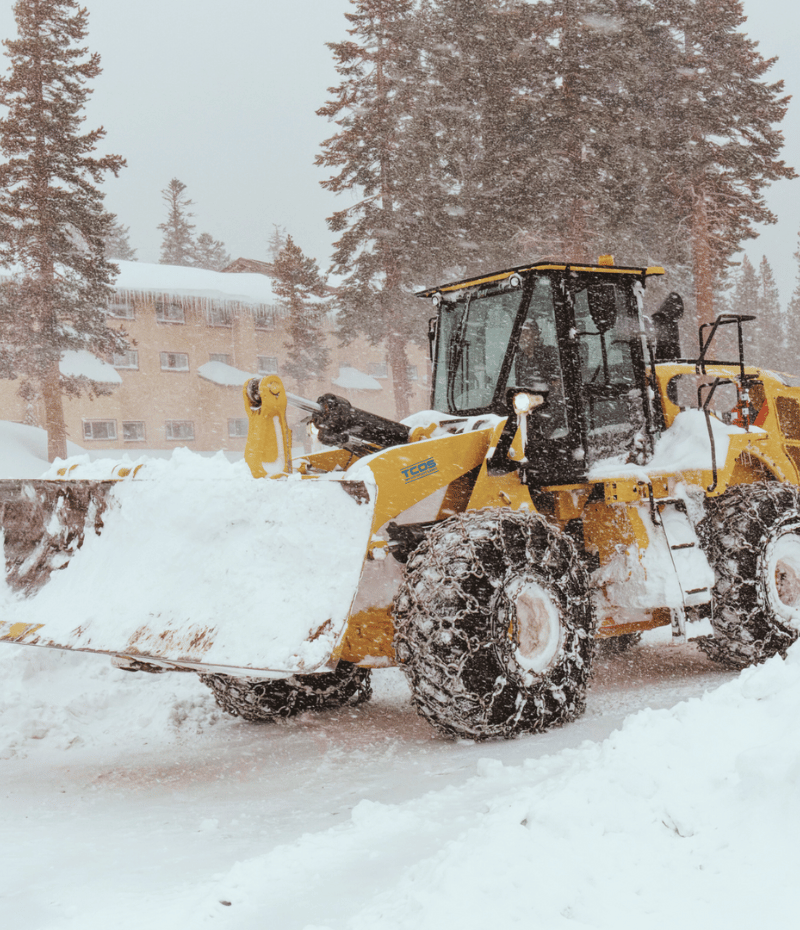
Why TCOS Uses a Temperature-First Approach in Minnesota
Winter in Minnesota can swing from mild days to bitter cold in a matter of hours. That's why Twin City Outdoor Services starts every snow and ice plan by looking at the temperature.- Above 15°F: Crews often use sodium chloride for larger spaces like roadways and parking areas.
- Below that range: Blends or calcium chloride are dispersed to keep melting power strong in colder conditions.
- Extreme cold: Special low-temperature products are applied only where they're truly needed to control costs and reduce impact on pavement and nearby vegetation.